Bank of England
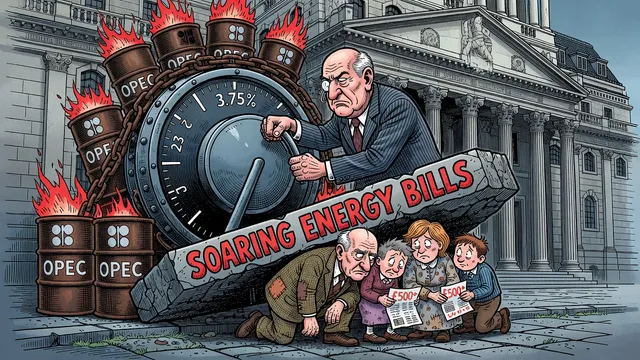
Oil Prices Lock UK Borrowing Costs in Place
External oil shocks continue to dictate UK monetary policy while structural energy dependence remains unaddressed.
Facts first. Parties second.
20 articles
Bank of England
External oil shocks continue to dictate UK monetary policy while structural energy dependence remains unaddressed.
Rachel Reeves
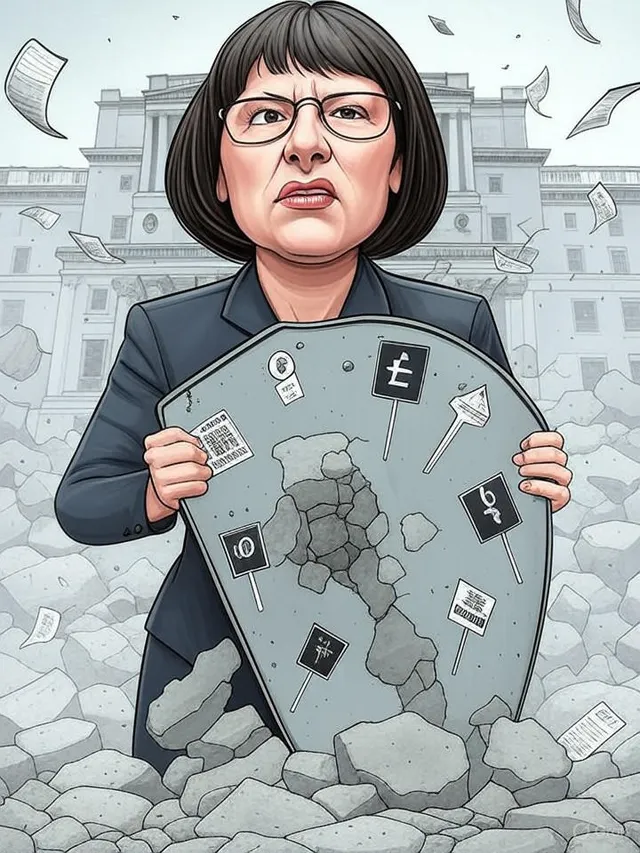
Rachel Reeves attributes policy criticism to bias, deflecting from tax rises and leadership lapses that deepen UK's fiscal woes. Her personal narrative masks institutional failures repeating across governments.
Bank of England
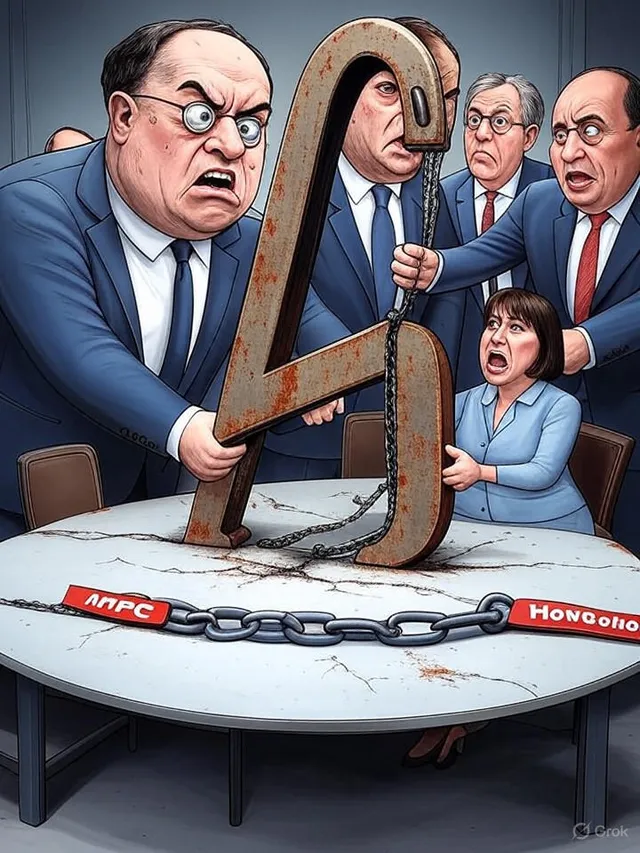
The Bank of England's narrow decision to hold rates at 4% reveals internal rifts and fiscal uncertainties, prolonging high borrowing costs for households despite easing inflation. This cautionary stance highlights persistent economic vulnerabilities across political cycles.
quantum computing
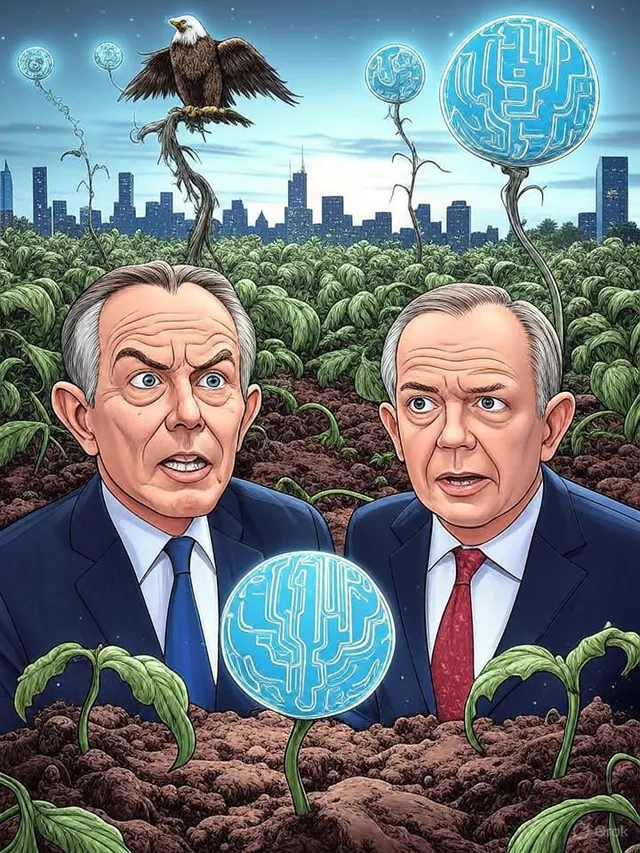
Blair and Hague warn of quantum fumbles as UK firms sell to US buyers and build abroad, revealing chronic failures in commercializing homegrown innovation across governments.
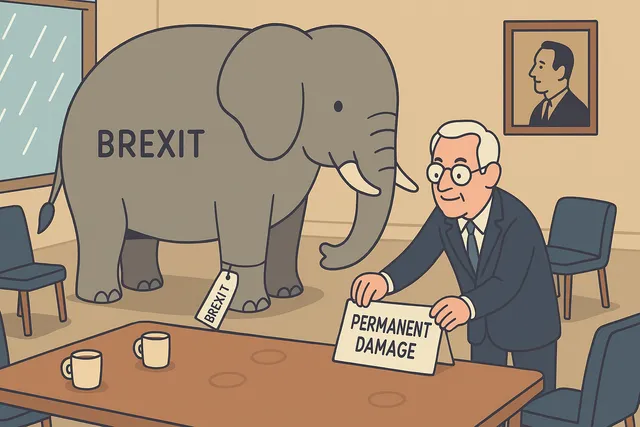
Brexit
In a rare moment of candour, Bank of England Governor Andrew Bailey has acknowledged that Brexit will inflict permanent damage on the UK's economic growth. This admission highlights years of institutional silence and the harsh realities facing Britain's economy post-Brexit.
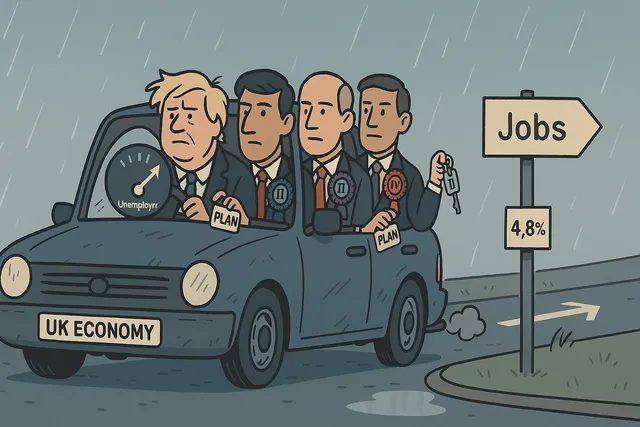
Economy
Unemployment in the UK has risen to 4.8%, the highest level since 2021, marking four consecutive years of increasing joblessness under four different governments. Despite promises of economic growth and renewal, average earnings are failing to keep pace with inflation, leading to a decline in real wages and living standards. This trend highlights systemic issues within Britain's economic framework that transcend political leadership.
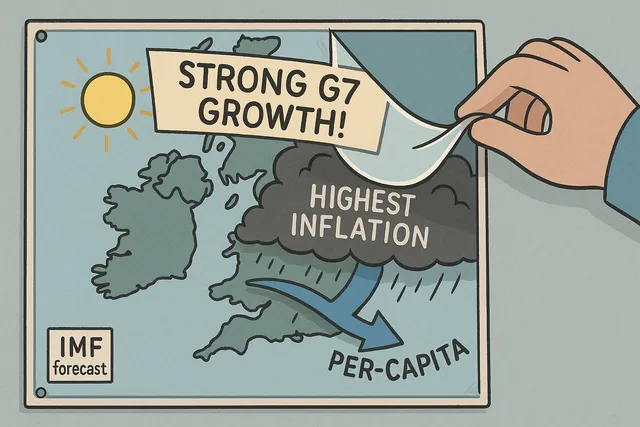
IMF
The IMF forecasts Britain will have the second-strongest economic growth in the G7 this year. But it also predicts Britain will have the highest inflation and the weakest per-capita growth next year. This is not a contradiction. This is a symptom of deeper institutional problems.
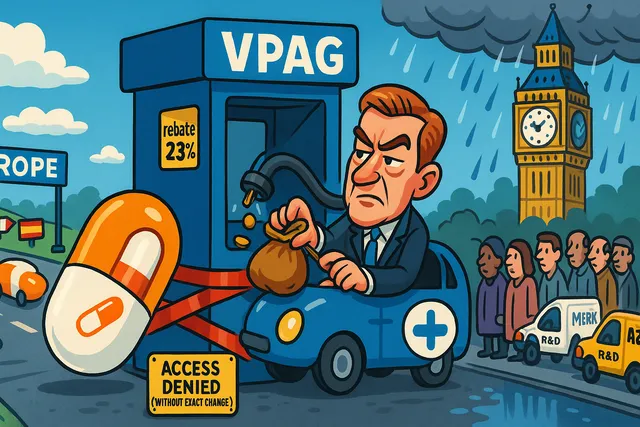
Pharmaceutical Industry
When the CEO of a $700 billion pharmaceutical giant publicly declares that the UK is "probably the worst country in Europe" for drug prices, it's a stark warning sign. Eli Lilly's Dave Ricks isn't just lamenting high taxes; he's signaling a broader institutional failure that's driving investment and innovation out of Britain. This analysis explores how bureaucratic short-termism and irrational pricing schemes are dismantling what was once a global leader in life sciences.
UK Economy
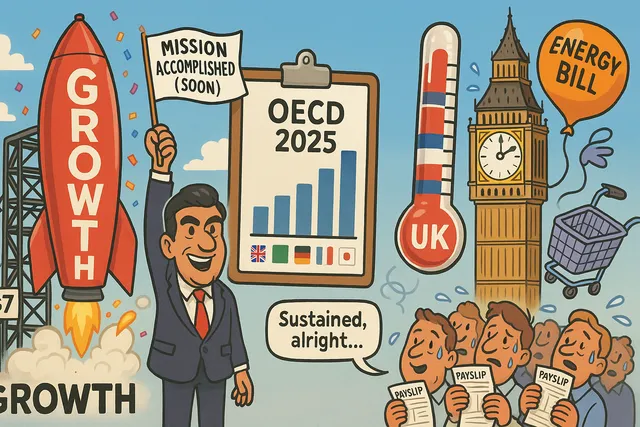
While the UK government touts its economic prowess, the OECD paints a starkly different picture: Britain is set to endure the highest inflation in the G7 this year, with growth projections remaining sluggish. This report highlights the disconnect between political rhetoric and economic reality, revealing a nation grappling with self-inflicted economic challenges.
Public Benefits
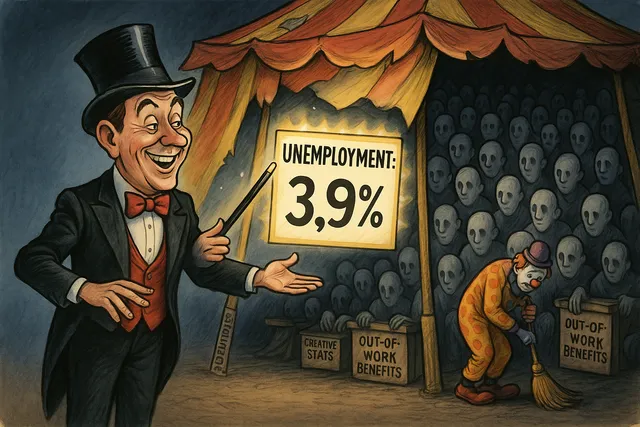
Based on Fraser Nelson's investigative piece, this article covers the staggering reality of 6.5 million working-age Britons on out-of-work benefits, a figure obscured by official statistics and institutional obfuscation. It explores the systemic failures that allow such a vast portion of the population to remain economically inactive while the government touts low unemployment rates, revealing the deep contradictions and social consequences of Britain's welfare state.
UK Economy
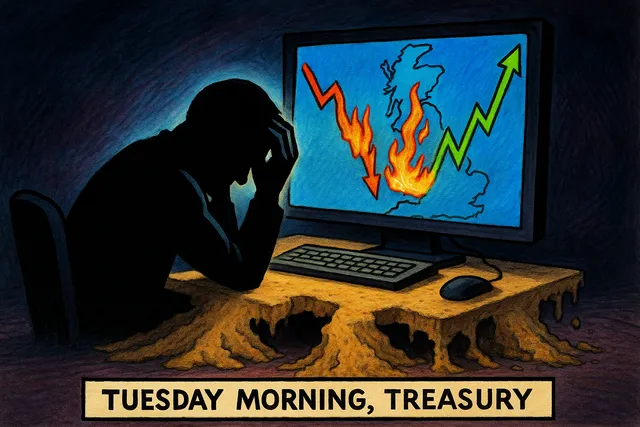
The recent turmoil in the UK bond market is a stark reminder that the Bank of England's independence is a thing of the past. As the government grapples with rising borrowing costs and a faltering economy, the central bank's ability to act as a credible counterweight has been severely undermined.
UK Economy
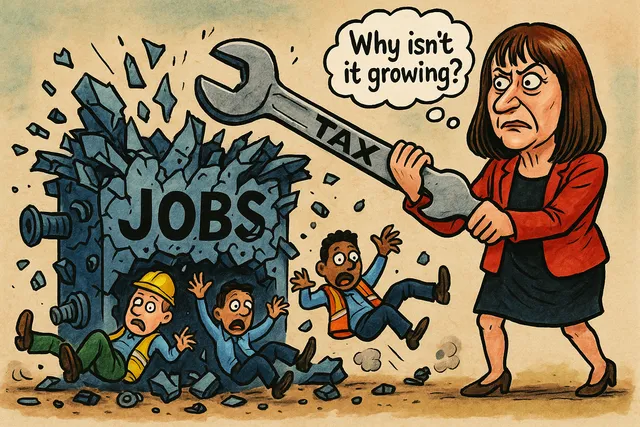
The Bank of England's latest survey reveals UK businesses are cutting jobs at the fastest rate in four years, a direct consequence of Chancellor Rachel Reeves' £25bn employer National Insurance raid. Despite promises of economic growth, the government's policies are systematically destroying the productive capacity they claim to champion.
UK Politics
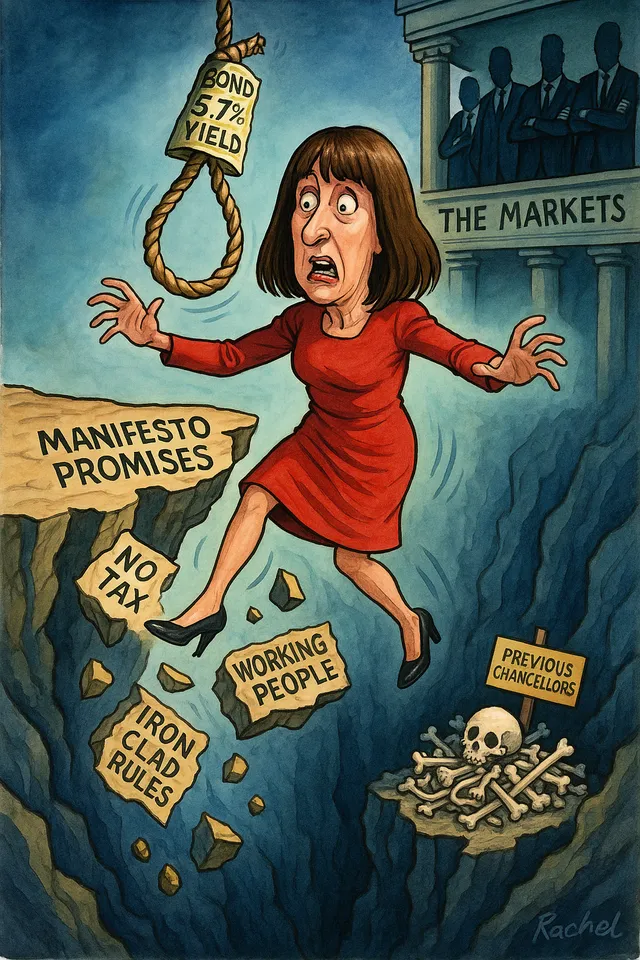
As the UK grapples with soaring borrowing costs and fiscal pressures, the gap between political promises and economic realities has never been more pronounced. Rachel Reeves is now faced with the challenge of reconciling these conflicting demands. This analysis delves into the implications for Labour's agenda and the broader political landscape.
Economic Policy
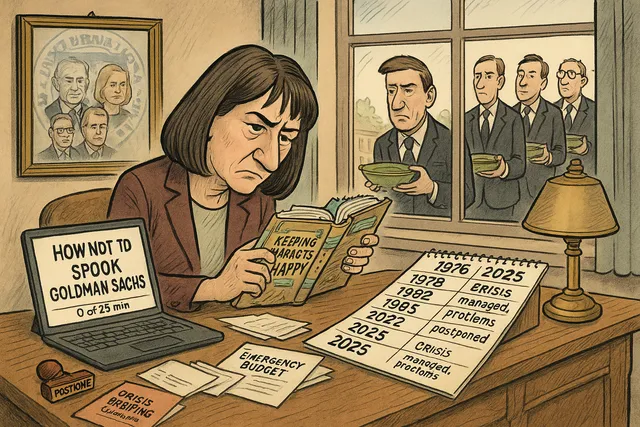
Britain operates in permanent crisis management mode. Consider the timeline of compounding failures: 2008 financial crisis debt never properly addressed, Brexit economic damage papered over, COVID spending adding unsustainable obligations, Truss's 2022 mini-budget reminding everyone how fragile the whole edifice really is. When treasury officials brief ministers on placating markets before serving citizens, when chancellors design budgets for bond traders rather than voters, you don't need the IMF—you've already surrendered sovereignty, you're just negotiating the terms.
Economic Policy
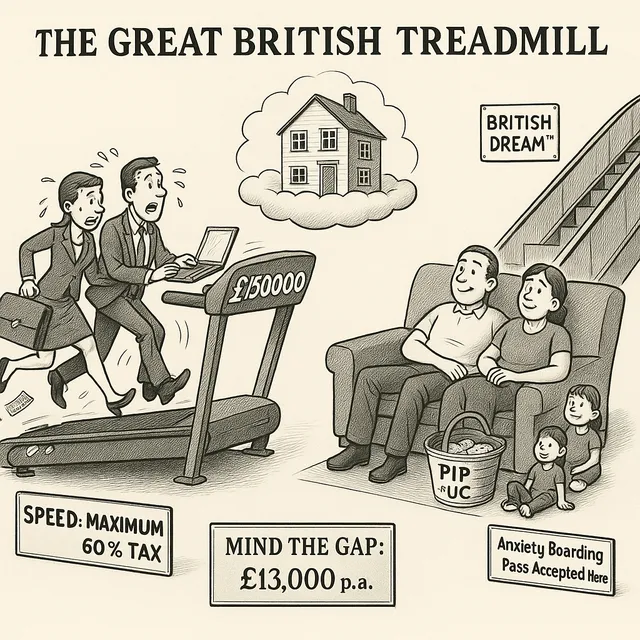
While Westminster debates growth strategies and productivity puzzles, the actual mathematics of British life reveals something more fundamental: the UK has constructed an economic system where working full-time is barely more rewarding than not working at all. The Telegraph's analysis lays bare what happens when a society systematically rewards dependency over contribution.
Jobs
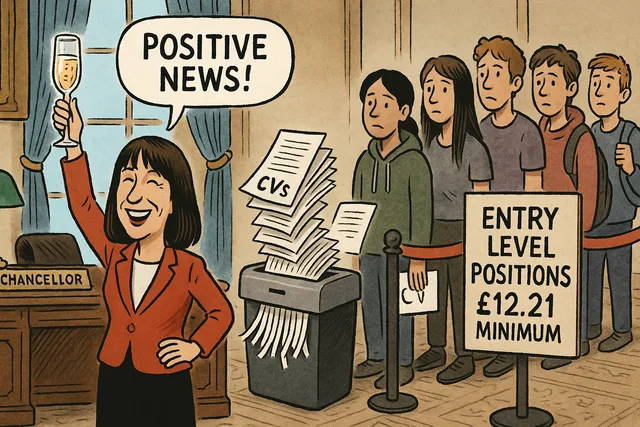
While Chancellor Rachel Reeves claimed there was "really positive news" in Tuesday's jobs data, British employers eliminated another 8,000 positions last month and job vacancies collapsed to their lowest level since the pandemic lockdowns. This is what passes for economic success in modern Britain: unemployment stuck at a four-year high becomes an achievement worth celebrating.
Politics
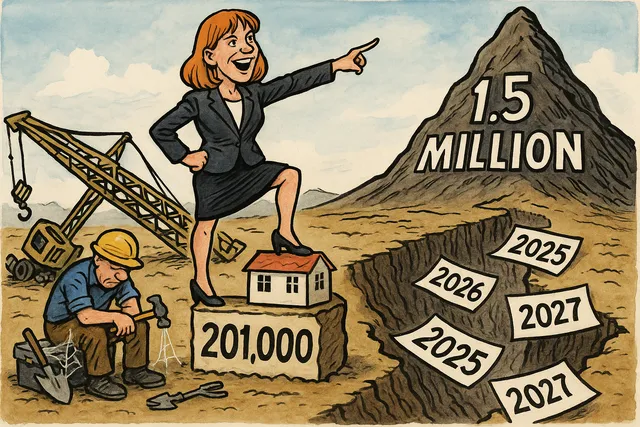
Labour's housing promises are collapsing under the weight of reality, with new home construction at its lowest in nearly a decade. Despite pledging 1.5 million new homes, actual building has fallen to 201,000—an 8% drop from last year and a 17% plunge from the 2022 peak. The government's housing targets are not just unrealistic; they are symptomatic of a deeper institutional decay that has left Britain unable to deliver even basic functions of a developed nation.
Taxation
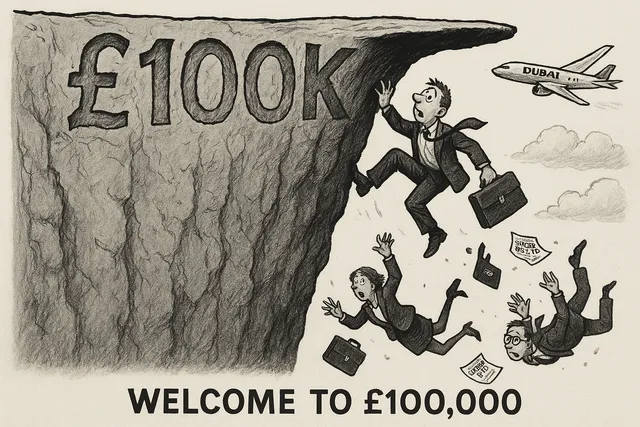
The mathematics of modern Britain reveal a peculiar achievement: we've constructed a tax system where earning £99,999 leaves you better off than earning £149,000. This isn't a quirk or an oversight. It's the logical endpoint of a state apparatus that views productive citizens primarily as revenue sources to be squeezed, rather than assets to be cultivated.
HMRC
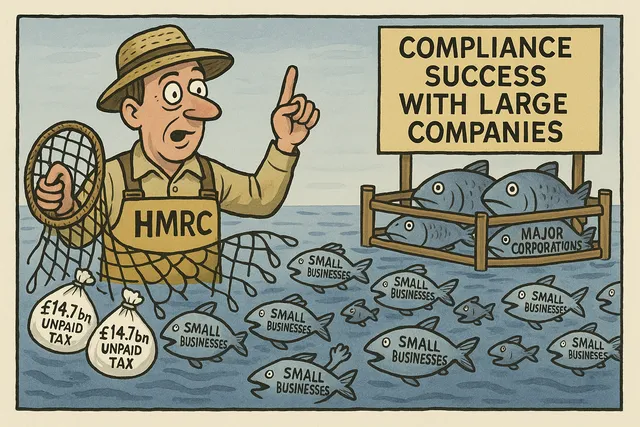
While Treasury ministers promise to make "everyone pay their fair share," the latest HMRC figures reveal a tax collection system in institutional breakdown, with small businesses now successfully avoiding 40% of what they owe.
HS2
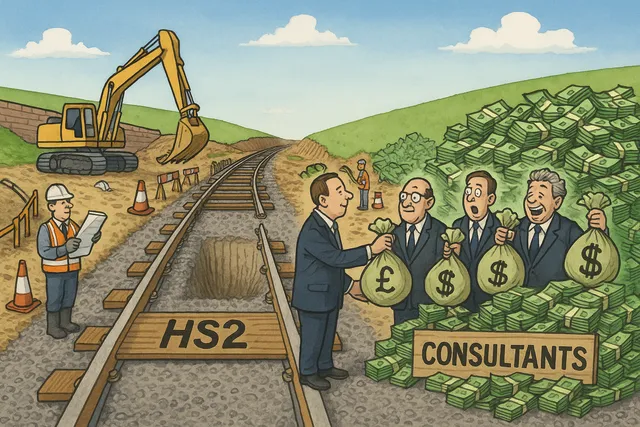
HS2 was supposed to cost £20 billion in 2012. It will now cost over £100 billion and won't open until at least 2035. The first trains were meant to run in 2026. That target became 2033. Now Transport Secretary Heidi Alexander admits there is "no reasonable way" to meet even that revised deadline.