Four Prisoners Wander Free as Release Errors Double
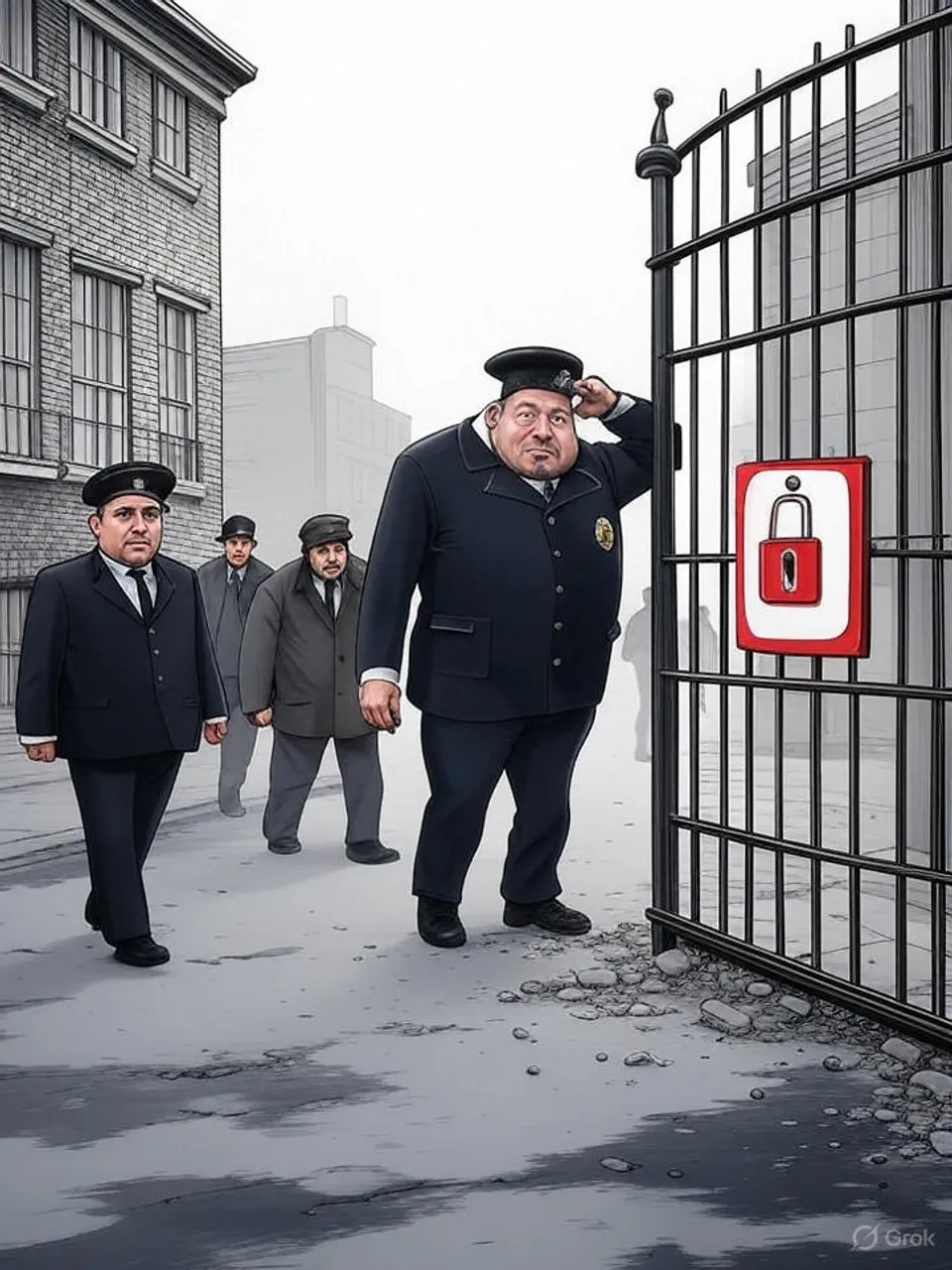
262 mistaken releases in a year, with at least four still evading capture
Erroneous prisoner releases have doubled to 262 in England and Wales, leaving four at large amid overcrowding and administrative failures that expose deep flaws in the justice system inherited across governments.
Official tallies show 262 erroneous prisoner releases in England and Wales for the year ending March, a near-doubling from 115 the prior year. At least four of these individuals remain at large, evading recapture despite public alerts and police efforts. This surge exposes a prison system buckling under chronic overload, where administrative slips turn custody into chaos.
The cases spotlight vulnerabilities in high-stakes operations. Brahim Kaddour-Cherif, an Algerian national convicted of indecent exposure, walked out of HMP Wandsworth on October 29 due to a missing court warrant. William Smith, sentenced that same day, followed suit on Monday, only surrendering after media scrutiny. These incidents cluster within weeks, alongside Hadush Kebatu’s mistaken release from HMP Chelmsford, underscoring how isolated errors compound into patterns.
Overcrowding drives this dysfunction. England’s male prisons held just over 100 spare places last summer, prompting an emergency scheme that freed nearly 40,000 inmates after 40 percent of their sentences, not the standard 50 percent. Staff numbers lag behind the inmate population, which has swelled steadily for years. Basic processes, like verifying warrants, falter under the strain, turning prisons into revolving doors.
Government responses recycle familiar scripts. Justice Secretary David Lammy blames an inherited crisis, announcing tougher checks, an independent probe, and digitization of outdated paper systems. Yet these measures echo pledges from prior administrations, including the Conservative government’s 2023 push for more prison spaces. Projections indicate continued population growth, but construction timelines stretch years ahead, leaving immediate safeguards as afterthoughts.
Opposition voices amplify the critique without offering fresh solutions. Shadow Justice Secretary Robert Jenrick labels it governmental incompetence, demanding transparency from Lammy. Liberal Democrat Jess Brown-Fuller calls for all resources to hunt the escapees, decrying media reliance for public awareness. Both sides skirt the deeper inertia: no party has reversed the staffing shortages or bureaucratic tangles built over decades.
Public safety bears the cost. Kaddour-Cherif, on the sex offenders’ register and facing deportation, roamed London for days before a civilian sighting led to his arrest in Finsbury Park. Kebatu, a migrant with a violent history, prompted a manhunt after his Essex release. Ordinary citizens now navigate risks amplified by these lapses, as unchecked releases erode the deterrent value of incarceration.
This episode reveals institutional rot at the justice system’s core. Prisons, meant to contain threats, instead export them through clerical oversights. Accountability evaporates: no officers face discipline in these reports, and ministers pivot to inheritance narratives rather than ownership.
Cross-party neglect sustains the cycle. Labour’s emergency scheme builds on Conservative overcrowding policies, which in turn ignored warnings from the 2010s. Each government adds layers—more inmates, fewer staff—without dismantling the underlying pressures like rising remand populations and sentencing trends.
The data points to systemic failure, not isolated mishaps. Erroneous releases doubled amid a 20 percent prison population rise since 2010, per Ministry of Justice figures. Digitization promises fix outdated tools, but similar reforms stalled under previous regimes, delaying impact.
Citizens pay in fractured security. Four at large represent not just statistics, but potential harms in communities already strained by economic woes and social tensions. Trust in the state frays when its enforcers cannot enforce basic containment.
Britain’s prison crisis mirrors wider institutional decline. Overloaded systems breed errors that endanger lives, unchecked by leaders who treat symptoms while roots deepen. This is governance reduced to crisis management, where public safety yields to administrative inertia, and decline becomes the default state.
Note: This article was accessed via the Internet Archive Wayback Machine (archived 2025-11-08) as the original source was unavailable.
Commentary based on At least four prisoners freed in error still at large, BBC told at BBC News.