Knives End 262 Lives in a Year of Supposed Progress
Train attacks and hospital data reveal persistent blade violence despite cross-party pledges
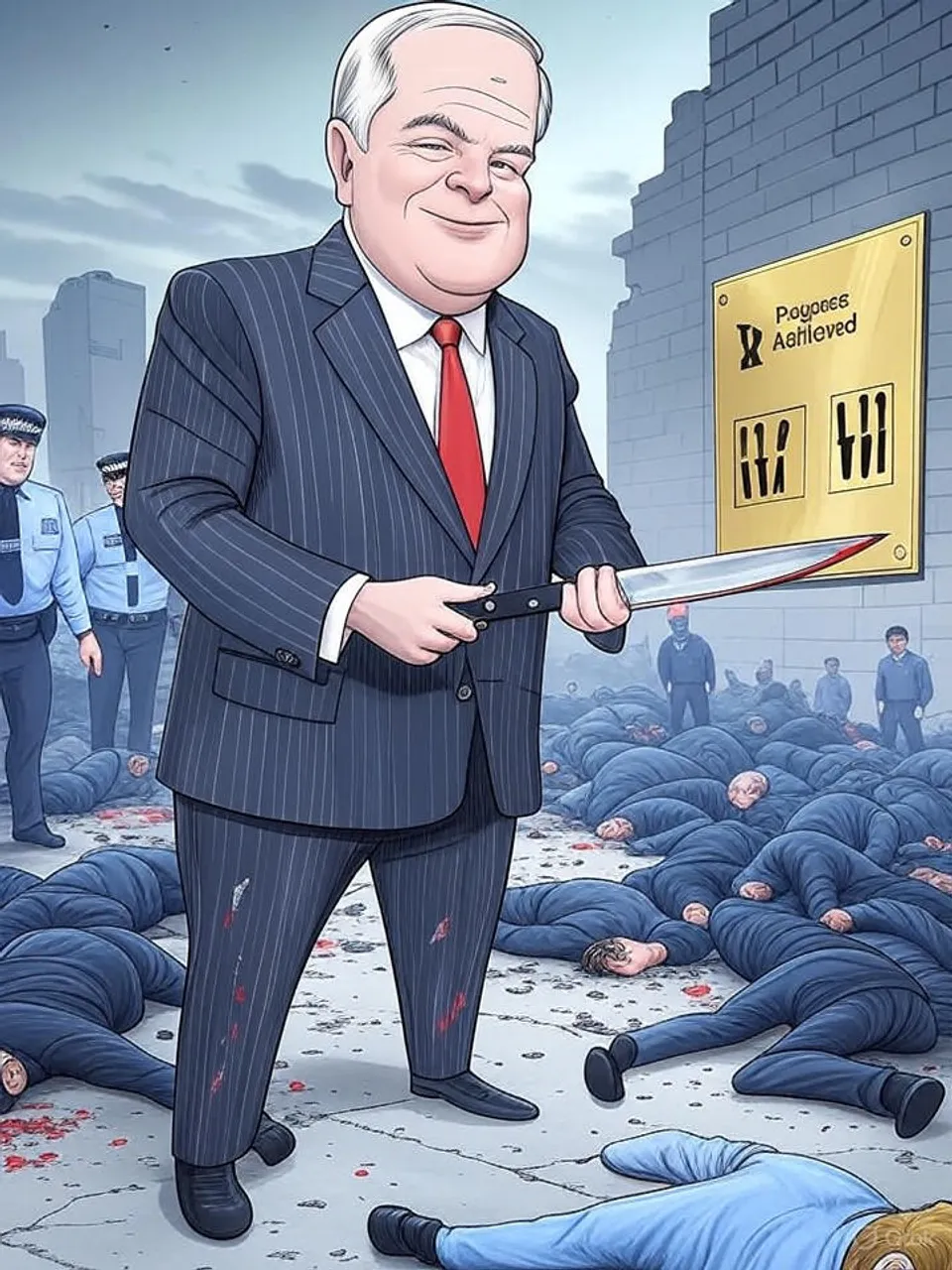
Official knife crime fell 5% last year, yet 262 homicides and thousands of injuries expose systemic failures in addressing deprivation and youth support across governments. Enforcement removes weapons but ignores root causes fueling fear-driven violence.
A single knife attack on a train injured nine with life-threatening wounds, exposing the raw persistence of blade violence in Britain. Politicians from both major parties have pledged repeatedly to curb this, yet 51,527 knife offenses occurred in England and Wales alone up to June 2025. The gap widens: official data shows a 5% drop, but absolute numbers remain a damning indictment of unaddressed risks.
The Office for National Statistics records 196 knife-related homicides in that period, part of 262 total deaths by sharp instruments in the year to March 2024. Kitchen knives dominate as the weapon of choice, turning household items into tools of lethal intent. This shift from firearms—restricted since the 1990s—has not reduced overall violence; shootings claim just 22 lives annually, while blades fill the void.
Teenagers bear the brunt. Of 64 homicides among 13- to 19-year-olds, 83% involved knives, often in unpredictable encounters far removed from organized gangs. Hospital admissions underscore the underreporting: 3,494 cases of sharp-object assaults treated in England from April 2024 to 2025, with 16% of victims under 18 and nearly 90% male. These figures capture not isolated incidents but a normalized threat in daily life.
Root causes trace to deprivation and fractured support systems. Economists and criminologists point to mental health gaps, school exclusions, and family breakdowns as drivers, amplified by a culture where young people arm themselves out of fear rather than affiliation. A decade ago, gang ties explained most youth knife crimes; today, even those with clean records carry blades preemptively, escalating minor threats into fatalities.
Enforcement measures yield marginal gains. Labour’s government reports 60,000 knives seized since taking office, alongside bans on “zombie knives” and stricter online sales checks. Knife homicides fell 18% this year, per the Home Secretary, aligning with the party’s pledge to halve the problem in a decade. Yet these steps treat symptoms, not the underlying decay in youth services and community investment.
Cuts to preventive programs reveal the deeper flaw. Initiatives like Operation Divan in North Yorkshire divert at-risk youth through education and early intervention, showing promise in reducing knife interactions. But funding shortages limit such efforts to short runs, as criminologists note; broader austerity since 2010 has hollowed out mental health and social services, leaving vulnerabilities unpatched.
Cross-party neglect sustains the cycle. Conservative governments from 2010 emphasized policing and stop-and-search, yielding temporary dips but no lasting decline. Labour’s focus on seizures and bans echoes prior tactics, ignoring how poverty and exclusion—worsened by economic stagnation—fuel the rise. Scotland and Northern Ireland log 28 and 4 sharp-instrument homicides respectively, but national patterns hold: violence persists because institutions prioritize reaction over root-level repair.
Comparisons abroad highlight Britain’s peculiar failure. The US sees 1,704 cut or pierce deaths yearly, with a homicide rate of 68 per million—far above the UK’s 9.5. Yet the UK’s gun controls succeed in suppressing shootings, only to expose unchecked blade access and social drivers that no border policy can contain.
This knife epidemic signals broader institutional erosion. Public transport, once a safe commute, now hosts rampages with delayed responses due to underfunded policing. Ordinary citizens—pensioners shopping, teens heading home—face escalating risks from a system that measures success in percentage drops while lives accumulate in morgues.
Britain’s decline manifests in these unhealed wounds. Successive leaders vow transformation, but deliver piecemeal enforcement amid service cuts that breed the very violence they decry. The truth endures: without confronting deprivation and accountability voids, knives will claim more, year after hollow year.
Commentary based on Why are there so many stabbings in Britain? by Catherine Nicholls on CNN.