Leeds Prepares to Pave Over 30,000 Hectares of Countryside
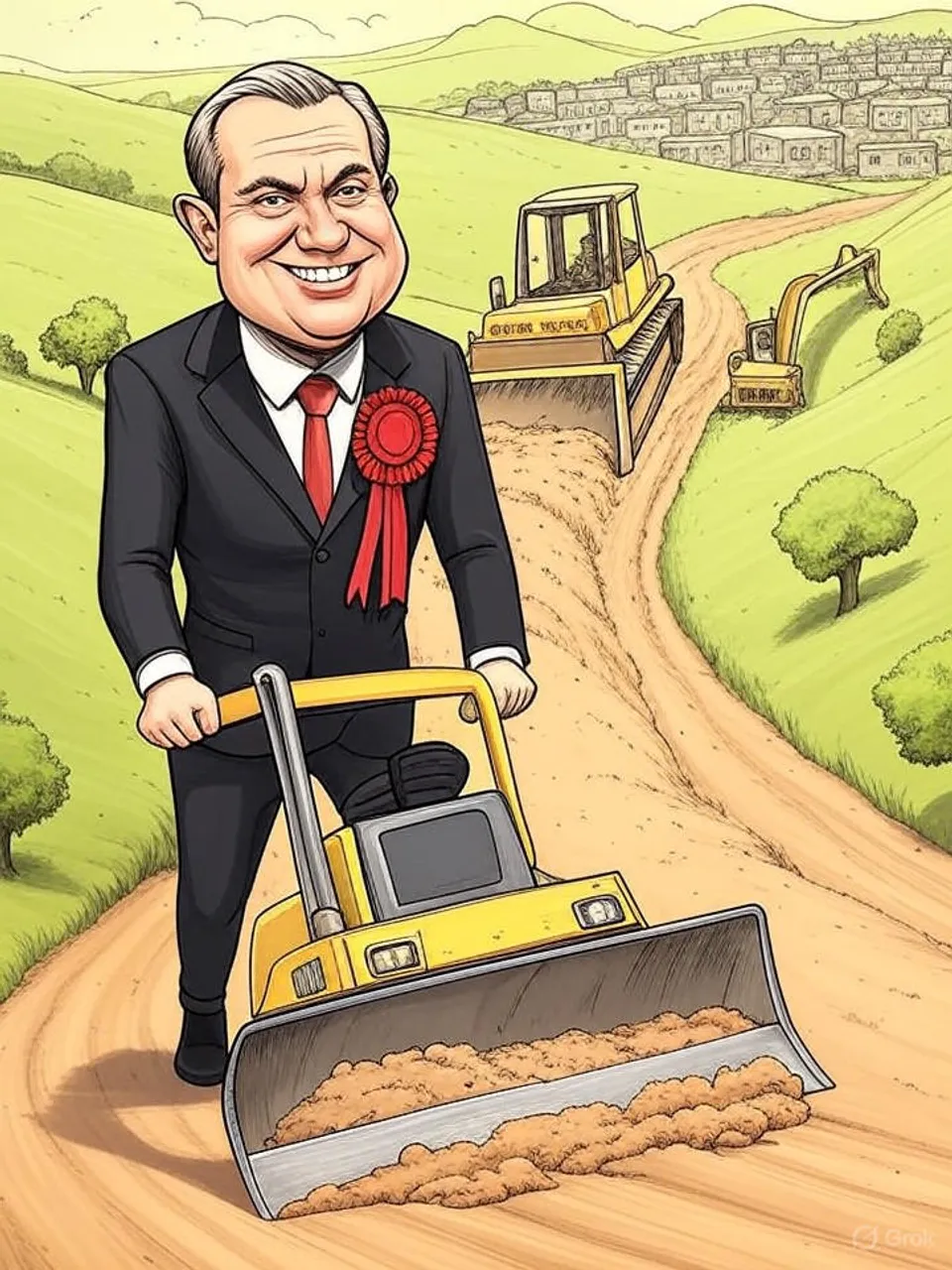
90 Percent of Green Belt Faces Reclassification Amid National Shortfall
Leeds council's grey belt plans contradict Labour's preservation pledge, targeting 30,000 hectares for development while housing starts lag far behind 300,000 annual targets. This reveals recurring policy failures across parties in balancing growth and green space.
Leeds city council officials discussed reclassifying 90 percent of the city’s 33,840-hectare green belt as grey belt land in a confidential briefing. This move would expose over 30,000 hectares of protected open spaces to potential housing developments and village mergers. Labour’s manifesto explicitly promised to preserve the green belt while introducing grey belt designations only for low-quality sites to accelerate building.
The green belt policy originated in 1947 to prevent urban sprawl and safeguard countryside around cities. In Leeds, this ring of land has preserved rural character for decades, limiting encroachment from the city’s 800,000 residents. Reclassification shifts these areas from strict protection to conditional release, directly undermining the original intent.
Labour set a national target of 1.5 million new homes by the next election, requiring 300,000 starts annually. Official figures record just 29,490 housing starts in the April-to-June quarter this year, a fraction of the pace needed. Leeds’ plans emerge amid this shortfall, as central government pressures local authorities to identify grey belt sites.
Councillor Alan Lamb, Conservative group leader, released details of the 90 percent figure, citing public interest. He argued the information warranted disclosure despite confidentiality, warning of alarm among residents. Labour’s deputy leader, Councillor Jonathan Pryor, dismissed the claim as uncalculated and premature, accusing Lamb of electioneering ahead of next year’s locals.
Central Override on Local Decisions
The Ministry of Housing, Communities and Local Government announced councils will lose veto power over projects of 150 or more homes, with approvals routed through Whitehall. Local authorities must now consider grey belt releases to address the housing crisis, per ministerial statements. This centralization strips councils of discretion, forcing alignment with national quotas regardless of local geography or opposition.
Historical data shows green belt erosion has accelerated under successive governments. Between 2010 and 2020, England lost 14,000 hectares to development, often justified by housing needs. Labour’s approach mirrors Conservative relaxations in 2012, which allowed “inappropriate” green belt building under exceptional circumstances—exceptions that became routine.
In Leeds, reclassification could merge small villages, altering community boundaries and increasing traffic on rural roads. Environmental assessments lag behind such proposals, with no mandatory public consultation outlined yet. Residents face potential loss of walking paths and wildlife habitats without recourse, as grey belt status eases planning hurdles.
Housing Targets Unmet Across Administrations
The UK’s housing output has stagnated for decades, averaging 160,000 completions yearly since 2010—far below the 300,000 needed for affordability. Labour’s 1.5 million pledge builds on unfulfilled Conservative targets of 200,000 homes per year, repeatedly missed due to planning delays and land shortages. Both parties cite supply constraints, yet green belt reforms recur as the default solution.
This pattern reveals institutional inertia in land-use policy. Developers lobby for releases, while local councils balance resident concerns against central mandates. The result: incremental erosion of protections, with no party reversing prior concessions.
Economic pressures compound the issue. House prices in Leeds rose 25 percent from 2019 to 2023, pricing out young families and exacerbating inequality. Grey belt development promises affordability but delivers suburban sprawl, straining infrastructure like sewers and schools already at capacity.
Accountability remains elusive. No officials face penalties for missing national targets, and manifesto commitments dissolve into policy tweaks. In Leeds, the confidential briefing shielded early plans from scrutiny, delaying public input until after decisions solidify.
The Leeds case exposes how housing ambitions collide with environmental safeguards, producing neither sufficient homes nor preserved landscapes. Across governments, green belt policies bend to political expediency, eroding the countryside that defines England’s identity. Ordinary citizens inherit denser cities, higher costs, and diminished open spaces—a quiet surrender in the broader retreat from effective governance.
Commentary based on Labour council ‘could bulldoze 90pc of city’s green belt’ by Robert White on The Telegraph.