Legacy Refrigeration Controls Invite Remote Exploitation
Outdated remote management interfaces in cold storage allowed attackers to spoil stock across Europe, with UK operators confirming exposure amid chronic underinvestment.
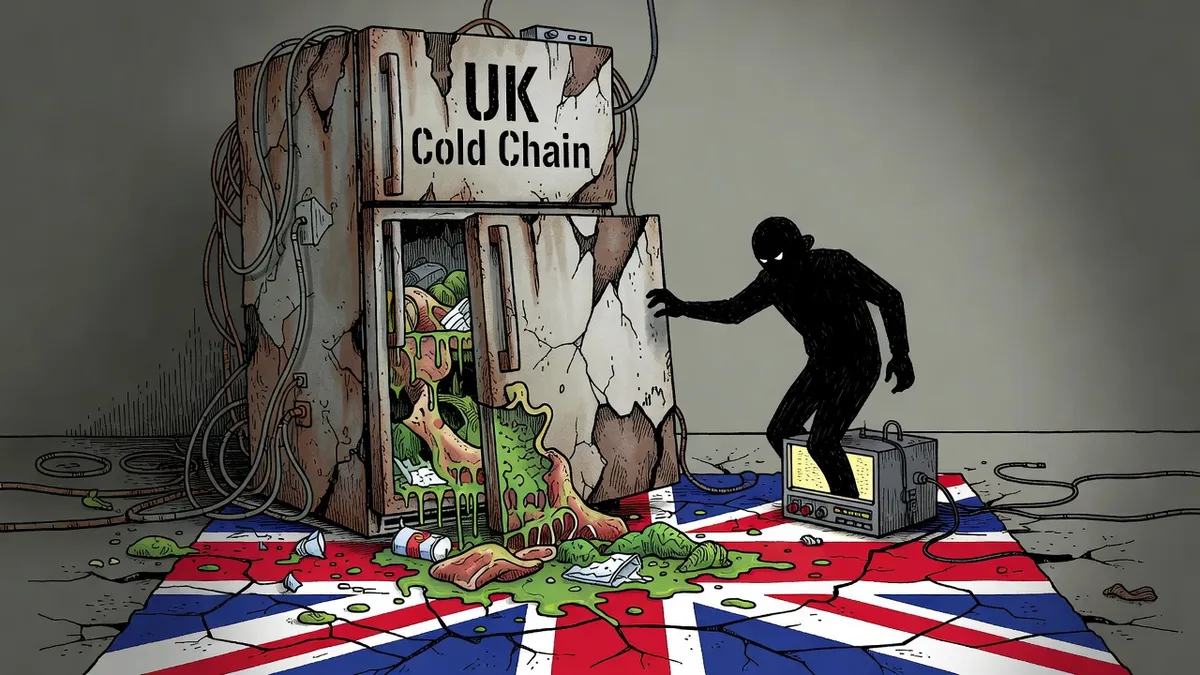
UK food supply registers limited hits from European cyber incidents targeting outdated systems
Britain’s food supply chain registered direct exposure to a coordinated cyber-attack that remotely raised temperatures in commercial refrigeration units across multiple European countries. The National Cyber Security Centre confirmed a couple of UK instances where vulnerable systems were exploited, though major retailers reported no widespread spoilage.
The attack followed an identical method used against French supermarkets in October, targeting remote management interfaces for cold storage. Attackers switched units into defrost mode, forcing retailers in Belgium, Sweden, Ireland and elsewhere to discard fresh and frozen stock worth millions of euros. Known vulnerabilities in these systems had been publicly documented months earlier.
UK officials described overnight alerts to potentially affected organisations. The British Association of Independent Meat Suppliers noted some members suffered collateral disruption without losing product. Industry statements stressed vigilance and urged firms to secure their own equipment rather than relying on external intervention.
NCSC chief executive Richard Horne stated that much of the technology base society depends on has not received necessary investment. Systems remain connected to the internet past their supported lifespan and lack proper segmentation. Adversaries now deploy AI tools that accelerate discovery and exploitation of these exposures.
This pattern matches repeated shortfalls in critical infrastructure maintenance across transport, energy and public services. Operators extend legacy equipment to control costs, creating predictable entry points that external actors can reach without physical access. Food distribution depends on continuous cold chains; any interruption scales quickly into waste and price pressure.
Retail trade bodies claim heavy cybersecurity spending and coordination with the NCSC. Yet the incident shows that responsibility remains fragmented between individual businesses and national agencies, with no mechanism enforcing uniform upgrades before incidents occur.
The episode demonstrates how under-maintained digital controls now form part of everyday supply infrastructure. When those controls fail, the costs fall on retailers, consumers and ultimately public resources through disrupted availability and higher waste. No structural change in procurement or regulatory standards has closed the exposure.
Commentary based on UK also affected by cyber-attack which hit European fridges at BBC News.
← Back to commentary