London's Tube Network Bleeds £200 Million Annually from Unpaid Rides
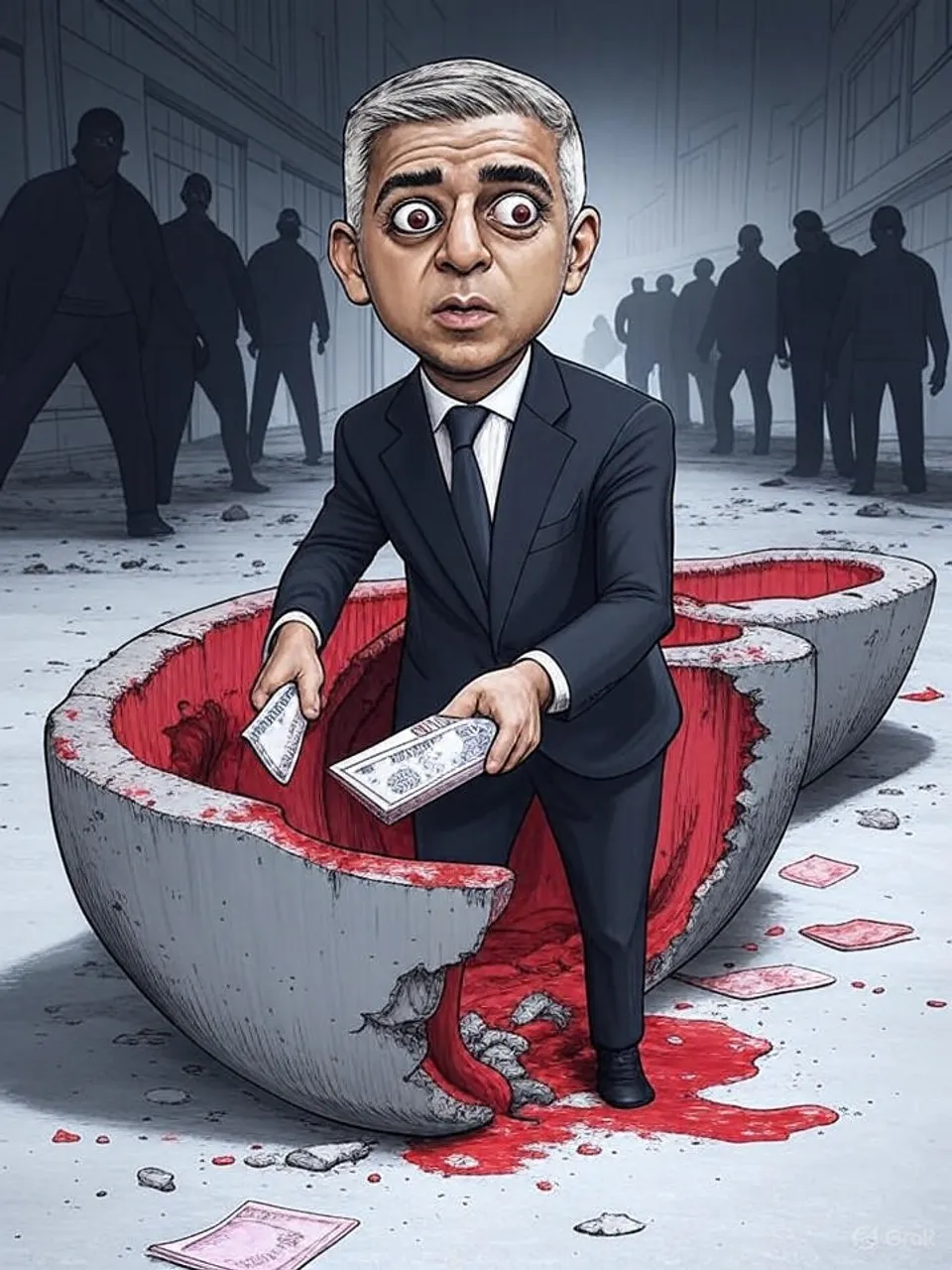
200,000 daily evasions expose enforcement gaps amid rising fares
TfL loses £200m yearly to fare dodgers, with Tube evasion at 5.3% despite targets and hikes. This reflects cross-party neglect of transport funding, shifting costs to compliant users and eroding service reliability.
Commentary Based On
The Standard
London fare-dodgers shock: 200,000 Tube journeys are unpaid every day - as number of law-breaking passengers spikes
TfL reports 400,000 evaded fares each weekday across its network, translating to £200 million lost yearly. This figure equates to one in 20 journeys going unpaid, with the Underground bearing the brunt at 5.3 percent evasion. Official targets aim for under 1.5 percent by 2030, yet rates climb year on year despite enforcement claims.
The evasion spike traces to April 2024, when rates hit 3.7 percent network-wide, dipping slightly to 3.6 percent by September but surpassing the prior year’s 3.3 percent. Tube journeys total 3.8 million daily, so 200,000 evade payment—equivalent to a full Central line’s worth vanishing from revenue. Buses see 130,000 dodges out of 5.1 million trips, while the Elizabeth line loses 28,000 from 800,000.
Social media accelerates the trend. Platforms like TikTok flood with tutorials on barrier-hopping, cloned card scams, and short-trip exploits at understaffed stations. Chronic offenders deploy fake contactless cards or expired rail passes, normalizing theft in plain view. TfL admits this denies “vital revenue” for service improvements, yet 96 percent compliance masks the fiscal hole.
Critics pinpoint structural weaknesses. The DLR operates as an open system without barriers or platform staff, inviting mass evasion. Wide Tube gates allow crawling or forcing, while solo station workers face violence risks—fare disputes trigger over half of staff assaults. Conservatives on the London Assembly demand a taskforce, barrier upgrades, and confrontation training, charging Mayor Sadiq Khan with inaction amid annual fare hikes.
Khan’s administration froze fares in 2023 but raised them 4.9 percent in March 2024, citing funding shortfalls from central government. TfL relies on fares for 40 percent of income, with evasion compounding a £1 billion daily operations gap covered by subsidies. Past governments, Labour and Conservative alike, slashed transport grants: £700 million cut in 2010, unfilled since.
This pattern echoes broader public service erosion. Transport funding fell 20 percent in real terms from 2010 to 2020, per National Audit Office data, leaving infrastructure vulnerable. Evasion rates hovered below 3 percent pre-2010, when staffing levels matched demand. Now, underinvestment breeds opportunism, shifting costs to compliant passengers via hikes—Zone 1 daily caps rose from £7.70 in 2019 to £8.90 today.
Staff endure the fallout. Enforcement contracts specify anti-evasion measures, but performance plans yield marginal gains: a mere 0.1 percent drop quarter-on-quarter. Isolated workers avoid challenges to evade assaults, prolonging the cycle. The result: deferred maintenance, with Tube delays up 15 percent since 2020, per TfL metrics.
Economic ripples extend citywide. Lost revenue starves upgrades like signal modernization, delaying Crossrail 2 and stalling capacity growth. Londoners, already facing 20 percent real-terms fare increases since 2010, subsidize dodgers indirectly. Businesses lose productivity to unreliable commutes, amplifying the capital’s 1.5 percent GDP lag behind pre-pandemic levels.
Systemic flaws sustain the issue. Accountability dissolves across administrations: Khan’s team touts “robust” plans without timelines, mirroring past mayors’ unheeded warnings. Central grants, promised at £4.6 billion yearly post-2024 election, arrive piecemeal, forcing fare dependency. Private operators, bound by contracts, prioritize metrics over vigilance.
No party escapes scrutiny. Labour’s 1997-2010 era expanded TfL but underfunded enforcement; Conservatives’ austerity gutted resources; current coalitions dither on reforms. Functional governance would deploy barriers, staff ratios at 2010 levels, and digital tracking to cap evasion at 1 percent—achievable in cities like New York, where rates fell 40 percent via taskforces.
This fare evasion lays bare London’s transport decay. Unpaid rides drain funds needed for a system serving 9 million residents, fueling fare burdens and service rot. It signals a deeper institutional malaise: policies that tolerate theft while punishing payers, entrenching the UK’s slide into unreliable urban cores.
Commentary based on London fare-dodgers shock: 200,000 Tube journeys are unpaid every day - as number of law-breaking passengers spikes by Ross Lydall on The Standard.