Metropolitan Police Racism Review Repeats a 25-Year Verdict
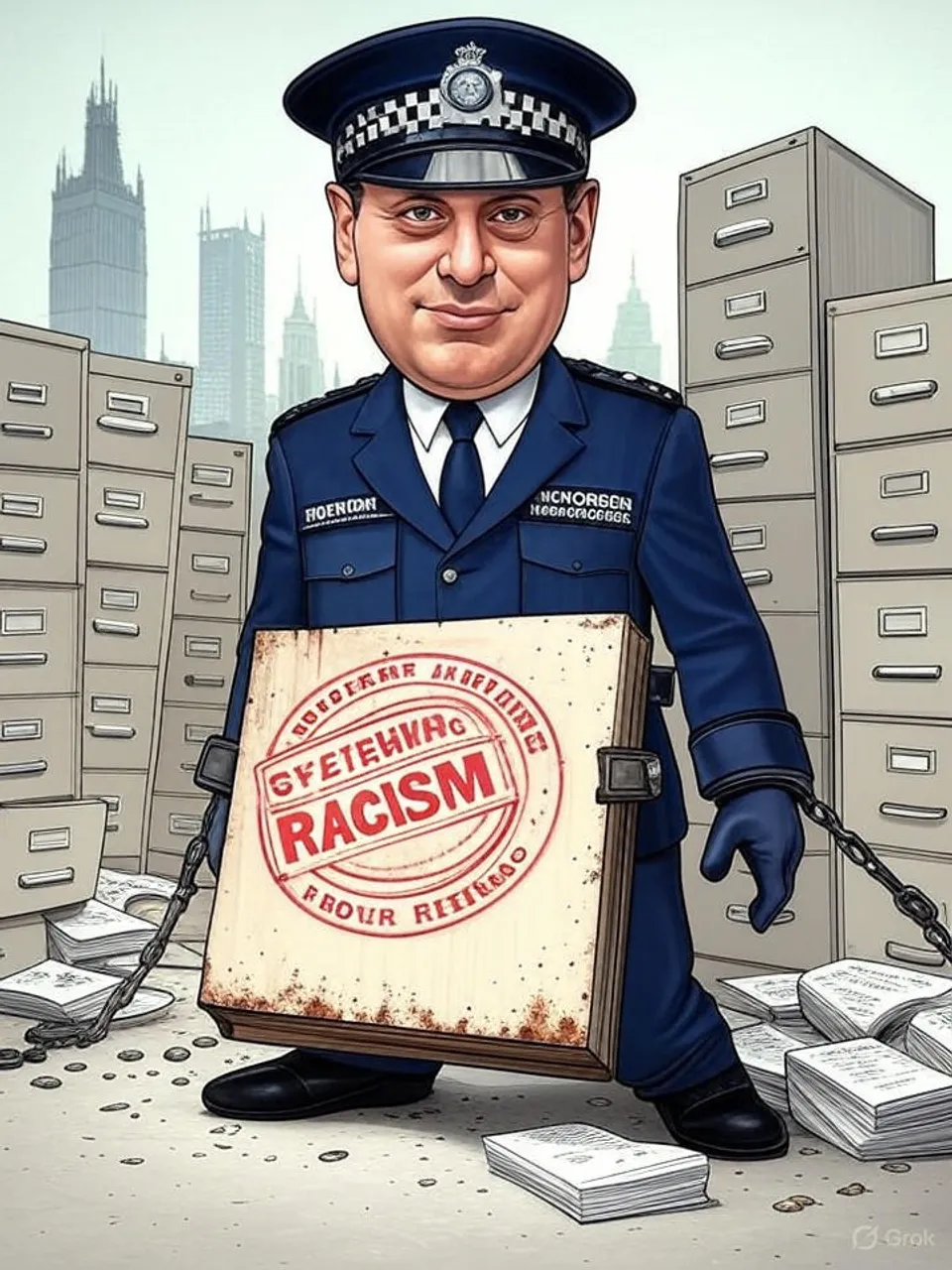
Daniels report uncovers baked-in biases after Macpherson and Casey inquiries
A new review exposes persistent anti-black racism in Met Police HR systems, repeating verdicts from 1999 and 2023 without driving structural change. This cycle reveals deep institutional inertia across governments, eroding trust and safety in London.
A new report declares discrimination “baked” into the Metropolitan Police’s HR systems, echoing the 1999 Macpherson inquiry that first labeled the force institutionally racist. Despite decades of similar findings, the Met’s leadership now pledges further change without detailing how past reforms failed. This cycle exposes a policing institution trapped in repetition, where reviews accumulate but structural fixes evade implementation.
The review, authored by Shereen Daniels of HR Rewired, examines over 40 years of evidence on anti-black racism. It identifies patterns where darker-skinned staff face labels like “confrontational,” while lighter-skinned colleagues receive empathy and leniency. These biases embed in recruitment, promotion, and discipline, producing racial harm that extends to black communities policed by the force.
Historical context reveals the depth of this stagnation. The Macpherson report followed the mishandling of Stephen Lawrence’s 1993 murder, where police incompetence allowed racist killers to evade full justice. Baroness Doreen Lawrence, the victim’s mother, notes the latest report contains “nothing that I did not already know,” underscoring how racism remains unacknowledged at core levels.
Subsequent probes compound the pattern. Louise Casey’s 2023 review, triggered by Sarah Everard’s murder by a Met officer, deemed the force institutionally racist, misogynistic, and homophobic. Yet Daniels’ analysis shows these issues persist in HR design, where plans manage perceptions rather than dismantle power imbalances.
Commissioner Sir Mark Rowley welcomes the report and cites progress, such as a 10% rise in trust among black Londoners over two years. This improvement, however, still trails trust levels among other groups, per official data. Initiatives like the London Race Action Plan and New Met for London aim to build an “actively anti-racist” organization, but they follow years of unfulfilled commitments.
The evidence points to systemic inertia. Reviews since the 1970s have documented harm to black officers, staff, and residents, yet operational practices show little shift. Daniels argues that anti-blackness signals broader dysfunction, enabling other harms like those in Casey’s findings.
This failure traces to accountability voids. No senior leaders face removal for repeated lapses; instead, they oversee new strategies that recycle old logics. Governments across parties commission inquiries but withhold sustained oversight, allowing the Met to prioritize institutional protection over public safety.
Policing by consent crumbles under this weight. London, a city of 9 million, relies on the Met for daily security, yet black communities report disproportionate stops, arrests, and distrust. The 62% surge in foreign national sexual offense convictions, noted in prior analyses, intersects here, as unchecked biases erode enforcement credibility.
Broader implications ripple through UK institutions. The Met’s dysfunction mirrors patterns in other public bodies, where inquiries expose flaws but trigger minimal reform. This sustains social fractures: black Londoners endure heightened risks, while the force’s overload hampers responses to rising violence, from train stabbings to street robberies.
Economic costs mount too. Systemic racism inflates HR inefficiencies, with biased promotions wasting talent and driving staff turnover. Taxpayers fund endless reviews—Daniels’ probe alone cost undisclosed sums—without yielding measurable gains in equity or effectiveness.
The pattern endures because power structures resist disruption. Officials speak in broad terms of “diversity” to obscure specific harms, as Daniels notes. Functional governance would mandate enforceable timelines, independent audits, and leadership rotations tied to outcomes, not vague pledges.
Ordinary citizens bear the fallout. Black families in London navigate streets where police bias heightens vulnerability, turning routine interactions into risks. White communities suffer indirectly, as eroded trust weakens collective security.
This report lays bare the Met’s unhealed core. Decades of documentation confirm that institutional racism thrives not despite reforms, but because of their superficiality. Britain’s policing decline, unchecked across governments, fractures the consent that underpins state legitimacy, leaving communities exposed and institutions hollowed.
Commentary based on Discrimination 'baked' into HR systems of Metropolitan Police, review warns by Flaminia Luck on LBC.