Neso Skips Records as Grid Frequency Hits Summer Lows
Whistleblower claims of suppressed notes coincide with prolonged frequency deviations and interconnector breaches during June heat.
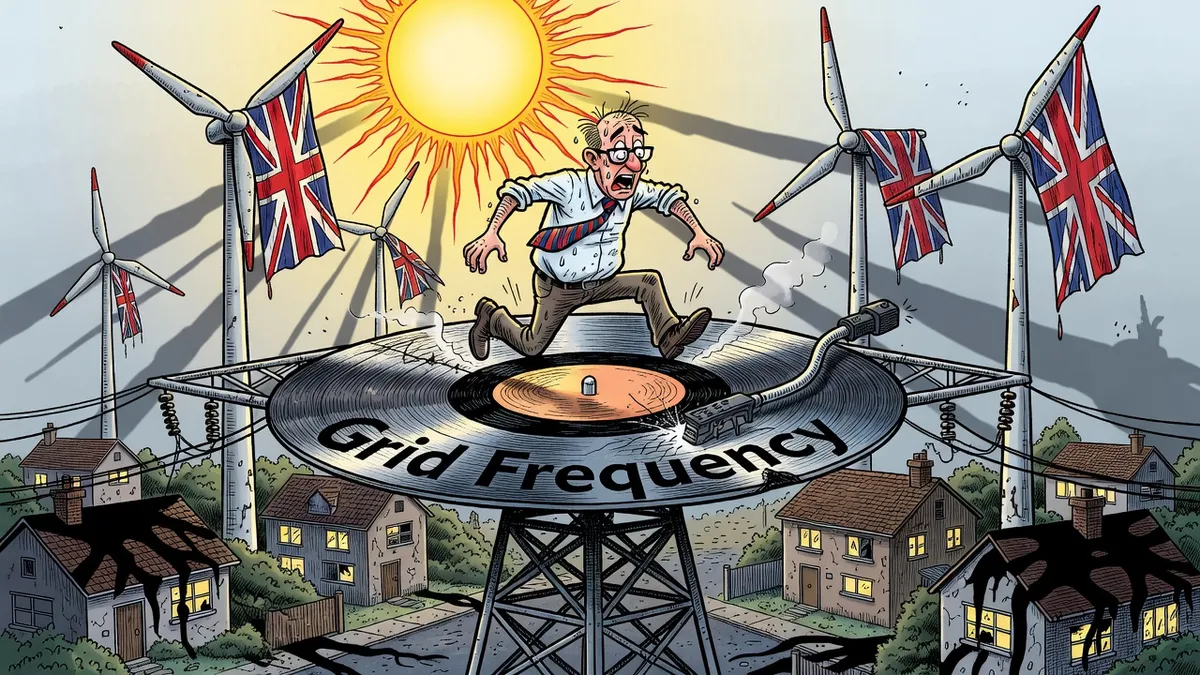
State operator denies cover-up while first summer emergency measures reveal reduced margins
Britain’s electricity grid frequency dropped to 49.66Hz for a prolonged stretch on 23 June, pushing close to the edge of operational limits while Neso deployed summer emergency measures for the first time.
Neso, the state-owned system operator purchased from National Grid for £630 million in late 2024, maintains that frequency stayed within statutory bounds and no customers lost supply. Yet the same period saw repeated breaches of normal interconnector trading limits with Europe, emergency payments reaching millions for gas-fired backup, and £800,000 spent incentivising reduced consumer demand between April and July.
Whistleblower claims allege senior managers instructed staff to skip routine note-keeping and that corporate affairs pressured operational decisions to limit any audit trail. Neso has commissioned an external review but has not released its findings.
Operational Limits Exposed
Summer heat reduced wind output, curtailed French nuclear exports, and increased air-conditioning load. These conditions produced the same scarcity signals normally associated with winter peaks. The frequency remained under pressure for the better part of an hour, a deviation former operators described as technically significant even if it did not breach the 49.5Hz statutory floor.
Neso’s own data shows the system ran with reduced margins and fewer conventional options before resorting to last-resort levers. The pattern indicates the grid now operates closer to its technical boundaries during periods once considered low-risk.
Accountability and Record-Keeping
The allegations centre on deliberate avoidance of documentation rather than outright failure to balance supply. If accurate, the incentive structure rewards protection of institutional reputation over transparent reconstruction of events. This mirrors earlier patterns where state and private operators faced share-price or political consequences for visible shortfalls.
No customer disconnection occurred. That fact does not address whether the absence of records would have hindered any post-event review had conditions deteriorated further.
Systemic Strain
Britain’s electricity system must now absorb higher summer peaks alongside the intermittency of renewables and reduced thermal plant availability. Interconnector reliance increased during the June events, with emergency calls placed to France and the Netherlands after normal trading limits were exceeded. These workarounds succeeded this time, yet they reveal dependence on external capacity that itself faces similar weather constraints.
The transfer to public ownership has not altered the underlying physical margins or the documented pressure on operators to avoid reputational damage. Successive governments set clean-energy targets while deferring the infrastructure and reserve capacity required to meet them under variable conditions.
The episode shows a grid managed closer to its limits, with reduced visibility into real-time decisions and recurring summer strain that winter planning never anticipated.
Commentary based on ‘Risking blackouts’? How Great Britain’s grid operator was dragged into a political row by Jillian Ambrose on the Guardian.
← Back to commentary