NHS Record Access Fails Again in Child Death Case
East Suffolk trust removes employees for breaching records of three-year-old Noah Woods, following identical incidents in prior high-profile deaths.
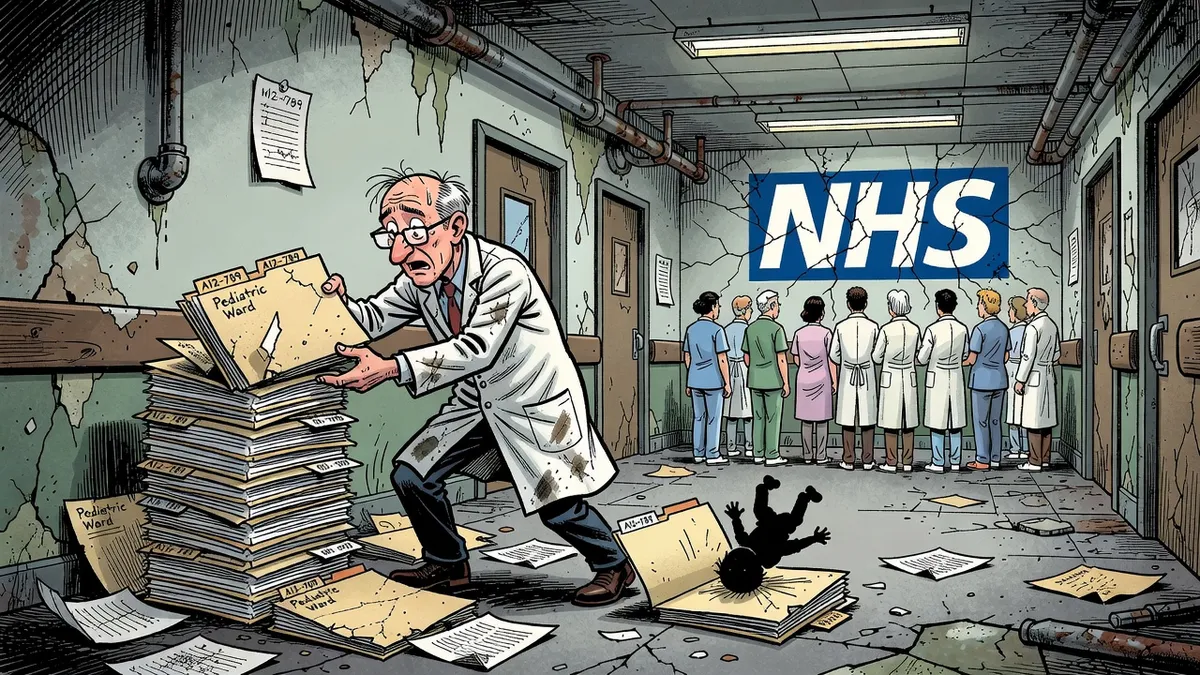
Ten staff suspended after unauthorised viewing of toddler’s files
NHS data controls failed again when staff accessed the records of a toddler found dead in a Suffolk pond. Ten employees at East Suffolk and North Essex NHS Foundation Trust were removed from duty after viewing Noah Woods’ medical files without authorisation. The trust reported the breach to the Information Commissioner’s Office.
The incident followed a familiar sequence. Woods disappeared from a playground on 15 September. His body was recovered the next day. Once the case gained public attention, multiple staff examined his records outside any clinical need.
NHS England chief executive Sir Jim Mackey stated that suspensions would follow immediately in such cases. He noted that similar abuses had occurred in the 2023 Nottingham attacks and the 2024 Southport stabbing. The pattern shows unauthorised access recurring in high-profile deaths despite existing rules.
Internal investigations and disciplinary processes now begin. Past cases produced comparable statements of regret and temporary removals from duty. No evidence appears of structural changes that have reduced the frequency of these breaches.
Accountability mechanisms
The trust described the access as “completely unacceptable.” It secured the records once concerns surfaced. These steps address symptoms after the fact rather than preventing initial violations.
Patient data systems grant broad access to clinical staff. Audit trails exist but do not stop viewing in real time. High-profile incidents trigger reviews only after families suffer additional distress.
Institutional pattern
NHS trusts operate under repeated pressure to manage large volumes of sensitive information. Governance relies on individual compliance rather than technical restrictions that limit unnecessary access. Each new breach restarts the same cycle of apology, suspension, and investigation.
The repeated occurrence across separate trusts and years indicates that current safeguards do not alter behaviour at scale. Families receive formal apologies while the underlying access architecture remains unchanged.
This episode confirms that basic data protection in the NHS continues to fail when cases attract public interest. The same institutional weaknesses surface regardless of the specific trust or leadership in place at the time.
Commentary based on NHS trust removes 10 staff from duty over Noah Woods data breach by Helena Horton on the Guardian.
← Back to commentary