Nottingham Failures Ran for Thirteen Years Without Interruption
Institutional self-protection at Nottingham University Hospitals blocked correction of known maternity risks across multiple leadership teams.
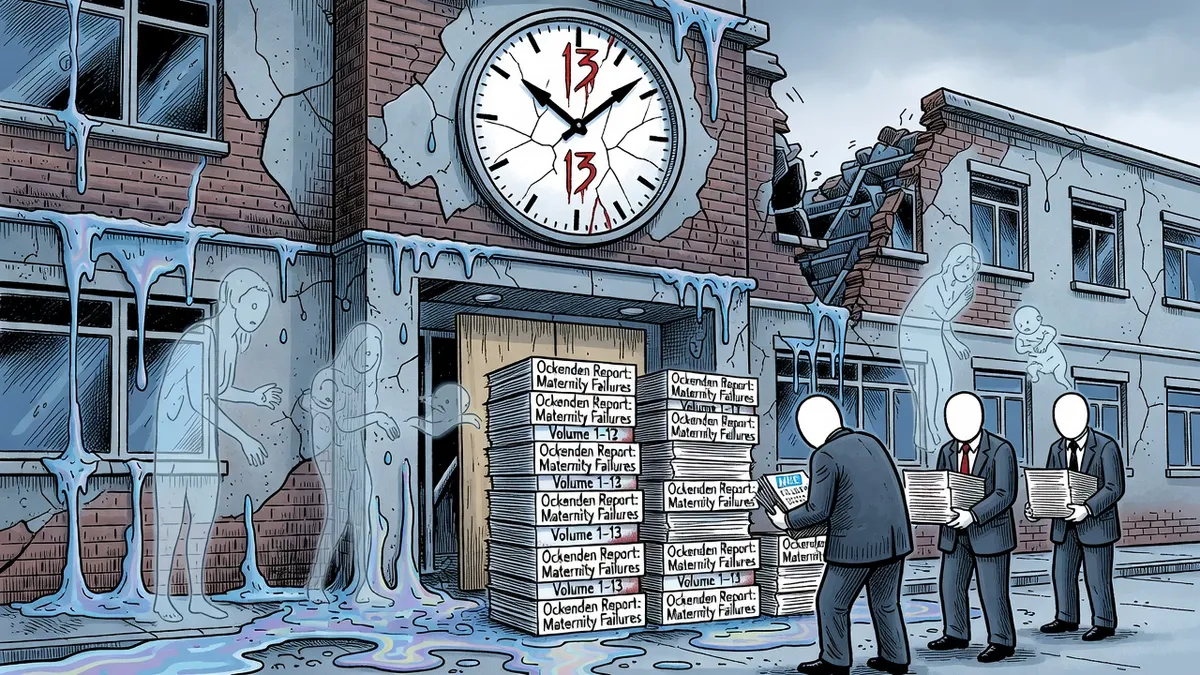
Ockenden review records 520 avoidable harms amid routine cover-up responses
More than 500 mothers and babies suffered potentially avoidable harm at Nottingham University Hospitals NHS Trust between 2006 and 2024. The Ockenden review documented 444 cases involving women and 76 involving newborns where substandard care directly contributed to deaths, stillbirths, and severe injuries.
The trust operated two maternity units that routinely failed to monitor fetal distress, interpret CTG traces correctly, or escalate concerns to doctors. Understaffing remained chronic across the period, with managers turning away women in labour despite known risks. A pattern of dismissal toward mothers’ reports of pain or complications compounded these clinical lapses.
Internal warnings about safety problems reached senior leaders repeatedly. No effective action followed. The review identified a bullying culture maintained by staff cliques that suppressed incident reporting and blocked improvements. Evidence from 2,500 families and 850 staff confirmed that complaints triggered cover-up responses rather than investigation.
Multiple senior managers declined to provide evidence to the inquiry. Families noted this refusal protected individuals while leaving systemic defects untouched. One documented case involved a baby disposed of as clinical waste after postmortem, with no adequate explanation offered to parents.
The government response centres on extending Martha’s Rule to all maternity units and introducing potential jail terms for staff who withhold evidence from future inquiries. These measures address symptoms after the fact. They do not alter the underlying incentive structure that rewards institutional self-protection over transparency.
Similar maternity failures have surfaced at other trusts in recent years. Each produces an inquiry, public statements of regret, and pledges of reform. The same combination of understaffing, poor escalation, and cultural resistance reappears because no mechanism removes or sanctions the decision-makers responsible.
Nottingham’s record shows how large NHS organisations sustain unsafe practices for over a decade without external correction. Families received neither timely answers nor changes in care standards. The absence of consequences for leadership leaves the conditions for repetition intact.
Commentary based on More than 500 mothers and babies died or were harmed at ‘toxic’ Nottingham NHS trust, report finds at the Guardian.
← Back to commentary