Pointed kitchen knives over three inches now face a proposed £20 tax per unit
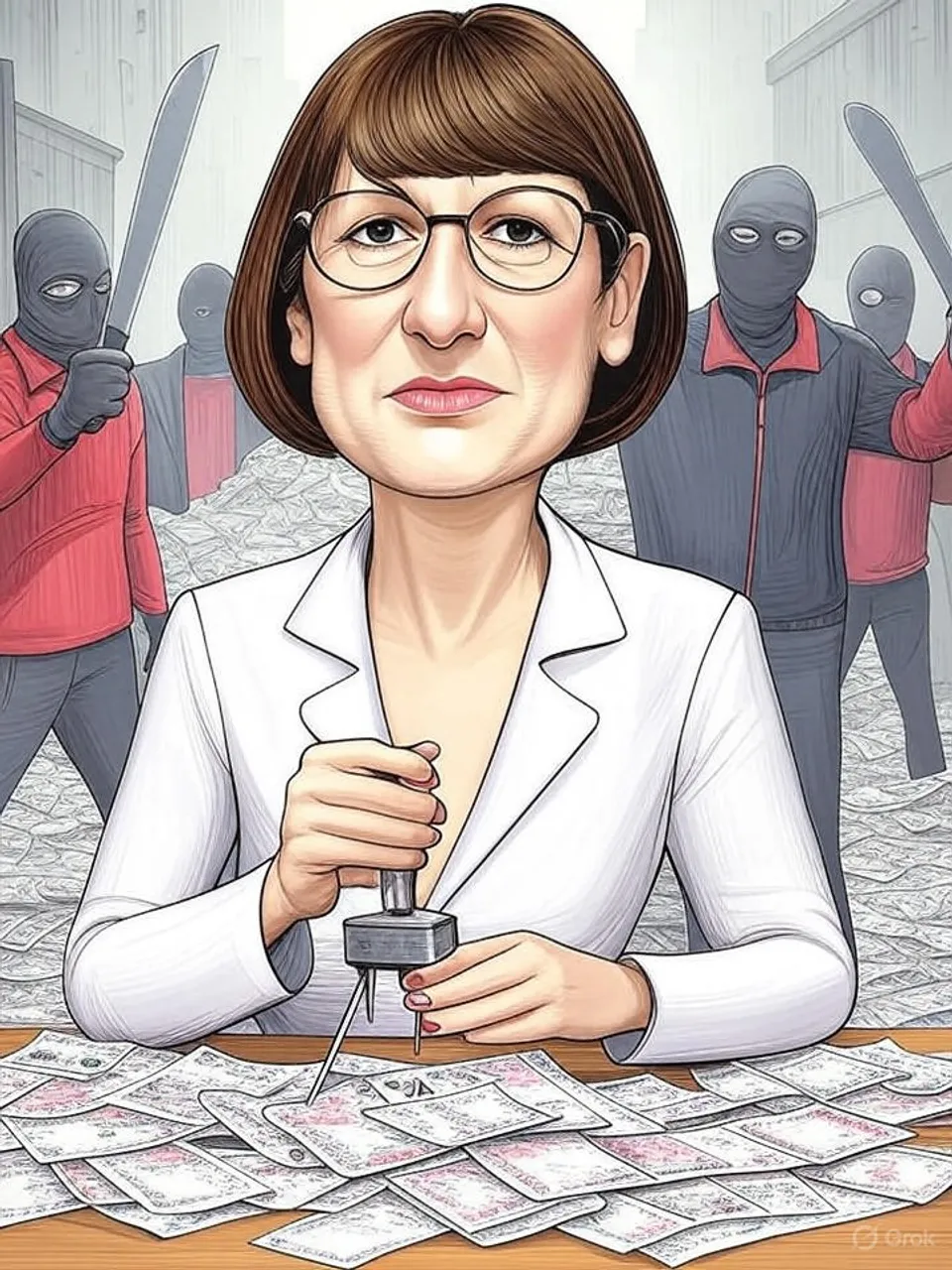
Ex-judge urges Reeves to price out sharp tips amid persistent stabbings
A former judge proposes taxing pointed kitchen knives £20 each to favor safer designs, backed by Southport survivors and Labour MPs. This sidesteps root causes like gang violence and vetting failures, taxing citizens for state breakdowns in public safety.
A former judge, Nic Madge, wrote to Chancellor Rachel Reeves demanding the levy on every manufactured or imported pointed blade. The tax aims to price out sharp tips in favor of rounded ends, which Home Office tests show require five times more force to penetrate flesh. Manufacturers like Rayware already sell rounded versions from £3.50, proving market readiness exists.
Leanne Lucas, survivor of the Southport stabs by Axel Rudakubana, backs the call. Labour MPs Andy Slaughter and Emily Thornberry endorse it too. An Edinburgh study pins 94 percent of homicide sharp instruments on kitchen knives.
This follows a government conference on “reducing knife harm,” where experts pushed design tweaks over crime root causes.
Knife crime persists despite past measures. Bans on sales to under-18s, zombie knife prohibitions, and amnesties yielded no drop in offences. London recorded 15,000 knife crimes last year, up 50 percent since 2010.
Policing prioritizes procedure. Southport’s attacker, a Rwandan via asylum routes, evaded safeguards amid vetting delays. Gangs drive most incidents, fueled by drug markets untouched by blade taxes.
The proposal echoes the 5p plastic bag charge, which slashed usage by 95 percent. Yet knives serve essential functions for chefs and households, unlike disposables. Taxing them shifts costs to families already strained by rising bills.
Business impact stays low, Madge claims—a £20 hit pales against fish and chips prices. But it burdens low-income buyers most, who cannot absorb another levy on basics.
Cross-Party Paralysis
Governments rotate the problem. Conservatives expanded stop-and-search then retreated under rights pressure. Labour now floats taxes as enforcement crumbles.
Church of England supports restricting “designs used in violence,” ignoring why youth carry blades into streets.
This reveals institutional exhaustion. Decades of soft justice and border laxity breed street lethality, so leaders regulate cutlery instead.
Ordinary life frays. Victims like Lucas fear their own kitchens. Taxing points treats a symptom while stabbings continue.
Policymakers dodge hard fixes: recruit officers, expel foreign offenders, break gang pipelines. They opt for fiscal nudges on voters.
The levy signals defeat. Britain taxes kitchen tools because it cannot secure its streets. Public safety, once assumed, now demands payment from the compliant.
Decline hardens when essentials turn suspect. Reeves holds the budget power to enact or ignore, but either path underscores the void where order once stood.
Commentary based on Tax kitchen knives to save lives, judge tells Reeves by Charles Hymas on The Telegraph.