Polanski Defends Green Motion Equating Zionism With Racism
Green Party leader Zack Polanski backs a motion linking Zionism to racism, citing international law and Palestinian casualties while facing internal criticism and no regrets over resulting divisions.
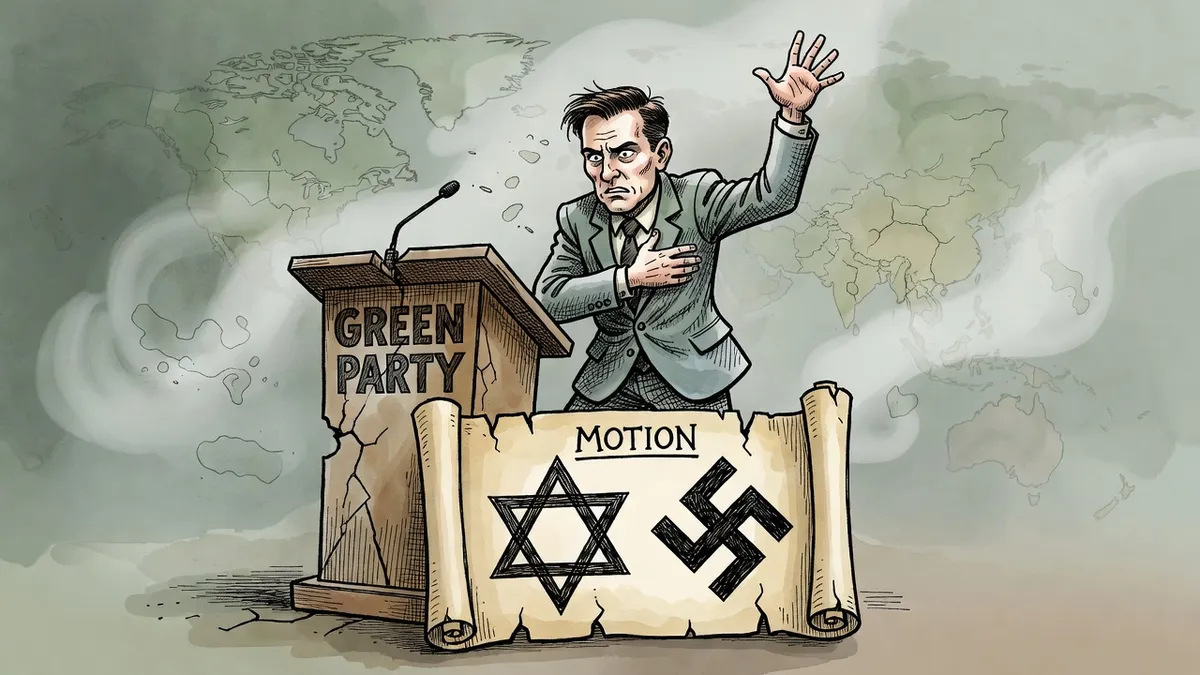
Green Party leader Zack Polanski told the BBC that Zionism amounts to racism in practice and that no state holds a right to exist under international law. He defended a recent party motion equating the two concepts, describing debates over wording as unhelpful while citing Palestinian casualties as the real controversy.
Polanski, who is Jewish, did not attend the conference vote that passed the motion. Internal critics within the Jewish Greens group disputed his claim that a majority of their members backed it, stating the internal poll showed an even split. He expressed no regret over his handling of the issue or the resulting party divisions.
The interview followed weeks of scrutiny after the motion passed. Polanski’s leadership has coincided with a polling surge earlier in the year followed by a decline, alongside separate questions over his tax affairs and disputes with police. He attributed future voter support to perceived gaps between Labour rhetoric and delivery under Andy Burnham.
Party Motion and Internal Response
The motion drew accusations of leadership avoidance from figures such as Vivien Lichtenstein, who noted Polanski could have participated remotely without significant time cost. Labour councils have since been advised to review agreements with Green groups that do not condemn the policy.
Polanski framed the position as consistent with international law principles rather than a unique stance on Israel. He dismissed two-state solutions as unrealistic given existing territorial realities.
Broader Political Patterns
This episode fits a recurring UK pattern where smaller parties test boundary-pushing foreign policy positions with limited immediate electoral cost. The Greens have increased visibility through focus on Gaza-related issues, yet face measurable pushback in both internal cohesion and external alliances.
Public discourse shows similar statements recurring across left-leaning circles without formal institutional correction. Party structures provide no binding mechanism to reconcile such positions with standard diplomatic recognition of states that the UK maintains relations with.
The absence of consistent accountability mechanisms allows these claims to persist. Leaders face criticism from within their groups but retain platforms to restate the positions on national media. This dynamic repeats across multiple parties when radical foreign policy views intersect with domestic electoral strategies.
Britain’s political system now tolerates open rejection of core state legitimacy principles by elected figures without triggering formal review processes. The result is a measurable widening between stated international commitments and tolerated domestic rhetoric.
Commentary based on Zack Polanski says application of Zionism is racist and no state has right to exist at the Guardian.
← Back to commentary