Predator Commanded Rape Unit as Met Dismissed Six Warnings
Warren Arter led Met sexual assault probes while abusing victims, with six intelligence reports from 2014-2018 ignored until his 2024 arrest after his wife's death.
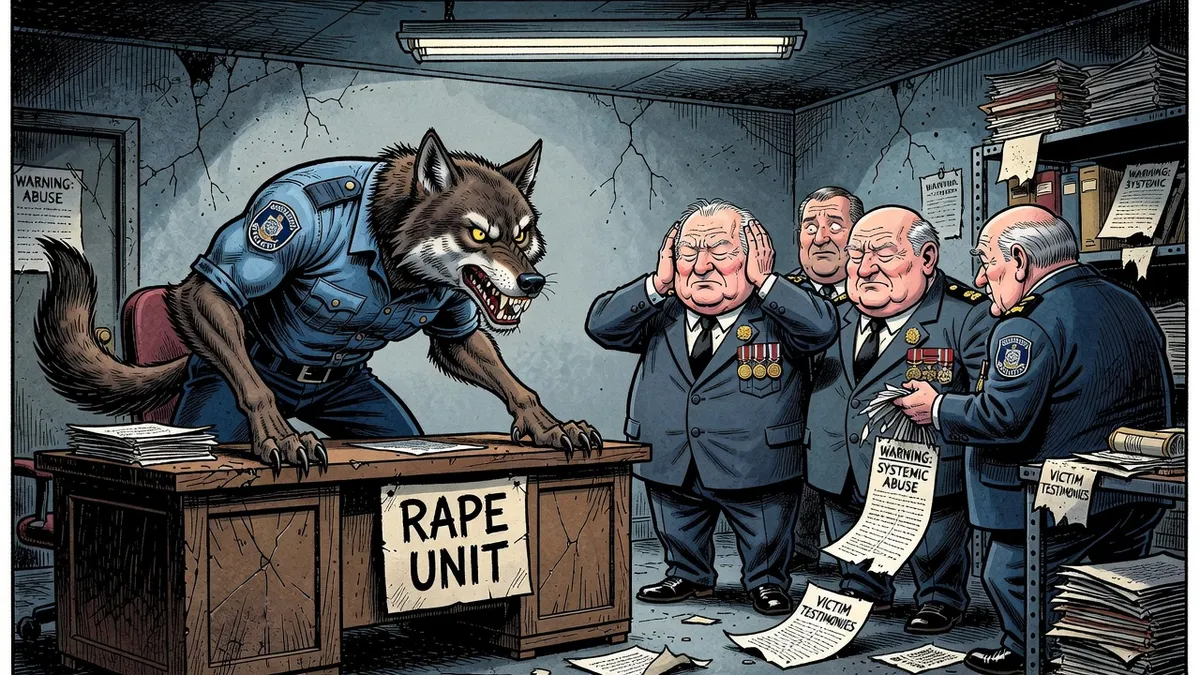
Metropolitan Police Allowed Predator to Command Rape Investigations
Warren Arter ran a Metropolitan Police unit investigating sexual assaults in south-east London while using his position to target vulnerable women. The force received six corroborated intelligence reports on his misconduct between 2014 and 2018. None triggered effective intervention.
Medical staff reported Arter alone with a rape victim in a sexual assault referral centre toilet in 2010. The Met took no action. Colleagues knew he had pursued a relationship with a domestic abuse victim he was assigned to protect in 2006, yet no misconduct proceedings followed.
Arter remained on full pay for seven years after suspension before dismissal for drug offences in 2023. The Met only arrested him in 2024 after his wife Rebekah died in Barbados under circumstances the force had been warned about months earlier through an illegal upskirting image he sent.
Pattern of Containment
The Independent Office for Police Conduct identified 21 potential victims. The Met has not contacted all women whose cases Arter handled over two decades. Internal reviews stopped short of examining his full case history even after his death.
This occurred after the Casey Review labelled the force institutionally misogynistic, after the convictions of Wayne Couzens and David Carrick, and after Commissioner Sir Mark Rowley pledged to examine every failing. Senior officers attempted to interfere with at least one prior investigation into Arter.
Accountability Vacuum
Arter filmed and distributed footage of his wife being abused while incapacitated. He sent such material unsolicited to women he had investigated. The force’s response remained limited to individual cases rather than systemic examination of how a single officer accumulated power over victims across years.
The structure that permitted this outcome persists. Investigations rely on the same command chain that failed to act on repeated signals. Officers face no career consequences for shielding colleagues or ignoring corroborated reports.
Britain’s largest police force treated its own predatory behaviour as a series of isolated incidents rather than evidence of institutional tolerance. The result is documented victims left without contact and no assurance that similar patterns have ended.
Commentary based on Met Police missed opportunities stop predatory detective who ran rape unit, BBC finds at BBC News.
← Back to commentary