Sara Sharif's Murder Traces Back to Ignored Warnings
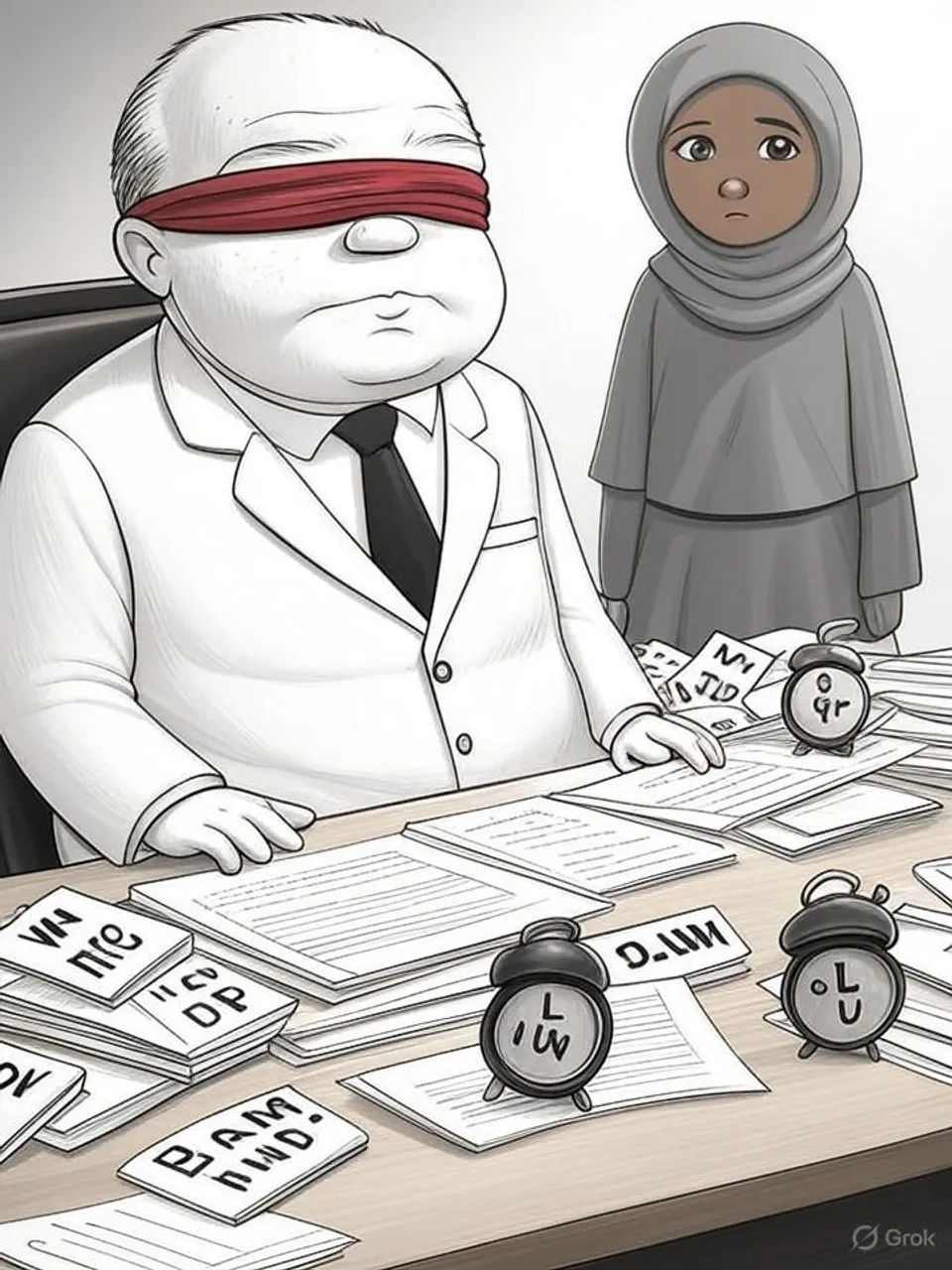
Review uncovers five agency failures from birth to death
An independent review reveals how Surrey authorities ignored domestic violence risks in Sara Sharif's family for years, leading to her 2023 murder. This case highlights systemic child protection flaws that recur across UK governments, eroding trust and safety for vulnerable children.
An independent review into the 2023 murder of 10-year-old Sara Sharif by her father and stepmother uncovers five specific failures across Surrey agencies. Authorities knew of domestic violence in the family from before Sara’s birth, yet no decisive action protected her. The gap between documented risks and inaction spans years, culminating in her torture and death.
The review details how social workers from Surrey County Council identified early dangers. In Sara’s infancy, they pushed for her removal from her parents due to violence. But family court proceedings sidelined their input, prioritizing the children’s guardian’s views without clear judicial summaries of disputes.
This deference eroded safeguards from the start.
Custody Oversights Compound Risks
When Sara’s father sought custody after remarriage, an inexperienced social worker drafted a Section 7 report lacking key details. Files on his history of domestic abuse and child violence went unexamined, and the judge, familiar with prior hearings, received no reminders of critical facts. Unsupervised contact followed despite uncompleted abuse programs.
Such lapses handed custody to abusers without scrutiny.
The pattern intensified in March 2023. Sara’s school reported a golf ball-sized bruise on her cheek, triggering an “Amber” priority response within 24 hours. The social worker skipped police checks and school follow-up on Sara’s behavioral shift from outgoing to withdrawn.
Urfan Sharif’s false claim of birth-related marks led to no action. Five months later, Sara died.
Administrative Errors Seal Isolation
Withdrawing Sara from school in April 2023 should have prompted oversight. Council policy required home visits for home-schooled children, but an outdated address in the system sent inspectors to the family’s old flat. The school had notified the new Woking house, yet electronic records lagged.
Sara vanished from monitoring entirely.
Neighbours heard disturbances but hesitated to report, fearing racism accusations amid the family’s Pakistani heritage. Sara’s sudden hijab at age eight concealed head injuries, accepted by the school as cultural without deeper probe. This reluctance amplified isolation in plain sight.
These failings form a chain of missed interventions.
The review labels Sara’s parents a “lethal combination” unfit for care, known yet unmanaged. Surrey Children’s Services, police, and courts held violence records spanning Sara’s life. Hindsight reveals points where removal or stricter monitoring could have intervened, especially in her final months.
Agencies graded risks but acted on incomplete information.
Institutional Patterns in Child Protection
Britain’s child safeguarding system repeats these errors across cases. Social workers’ expertise yields to guardians or judges without balanced presentation, as seen here. Inexperienced staff handle complex reports, vital histories slip through, and basic data like addresses falter under administrative weight.
No single party owns this dysfunction; it persists through Labour, Conservative, and coalition eras. From the 2011 Baby P inquiry to Victoria Climbié in 2000, reviews expose similar gaps: poor inter-agency communication, rushed assessments, and fear of bias in diverse communities. Governments pledge reforms—Working Together guidelines updated in 2018, multi-agency training mandates—yet implementation crumbles at local levels.
Funding shortages exacerbate this. Surrey County Council, like many, faces budget strains from austerity cuts since 2010, leading to 20% staff reductions in children’s services by 2023. Overworked teams prioritize high-risk cases, but even those, like Sara’s, slip.
Accountability remains theoretical.
Officials face no personal repercussions for these failures. The review prompts no named sanctions; instead, it urges better training and data sharing. Children’s Commissioner Rachel de Souza calls it a “catalogue of missed opportunities,” while Education Secretary Bridget Phillipson admits “glaring failures” without structural overhaul.
Judges and guardians continue in roles; social workers express frustration but stay sidelined. This insulates decision-makers from consequences, perpetuating cycles where children bear the cost.
Ordinary families suffer the fallout. In 2023, England recorded 50 child homicides, many involving known risks ignored by services. Parents in high-risk homes wait longer for support, with referral response times averaging 35 days against 24-hour targets. Trust erodes: only 42% of Britons believe social services protect children effectively, per 2024 NSPCC polling.
Broader social cohesion frays as communities self-censor concerns over racism fears.
Sara Sharif’s case exposes the hollow core of UK child protection. Agencies document dangers but fail to act, across decades and governments, because incentives reward paperwork over prevention. This institutional inertia dooms vulnerable children to repeated tragedies, documenting a steady decline in the state’s basic duty to safeguard its youngest citizens.
Commentary based on Five key failings in the Sara Sharif review at BBC News.