Seven Years from Assault to Sentence
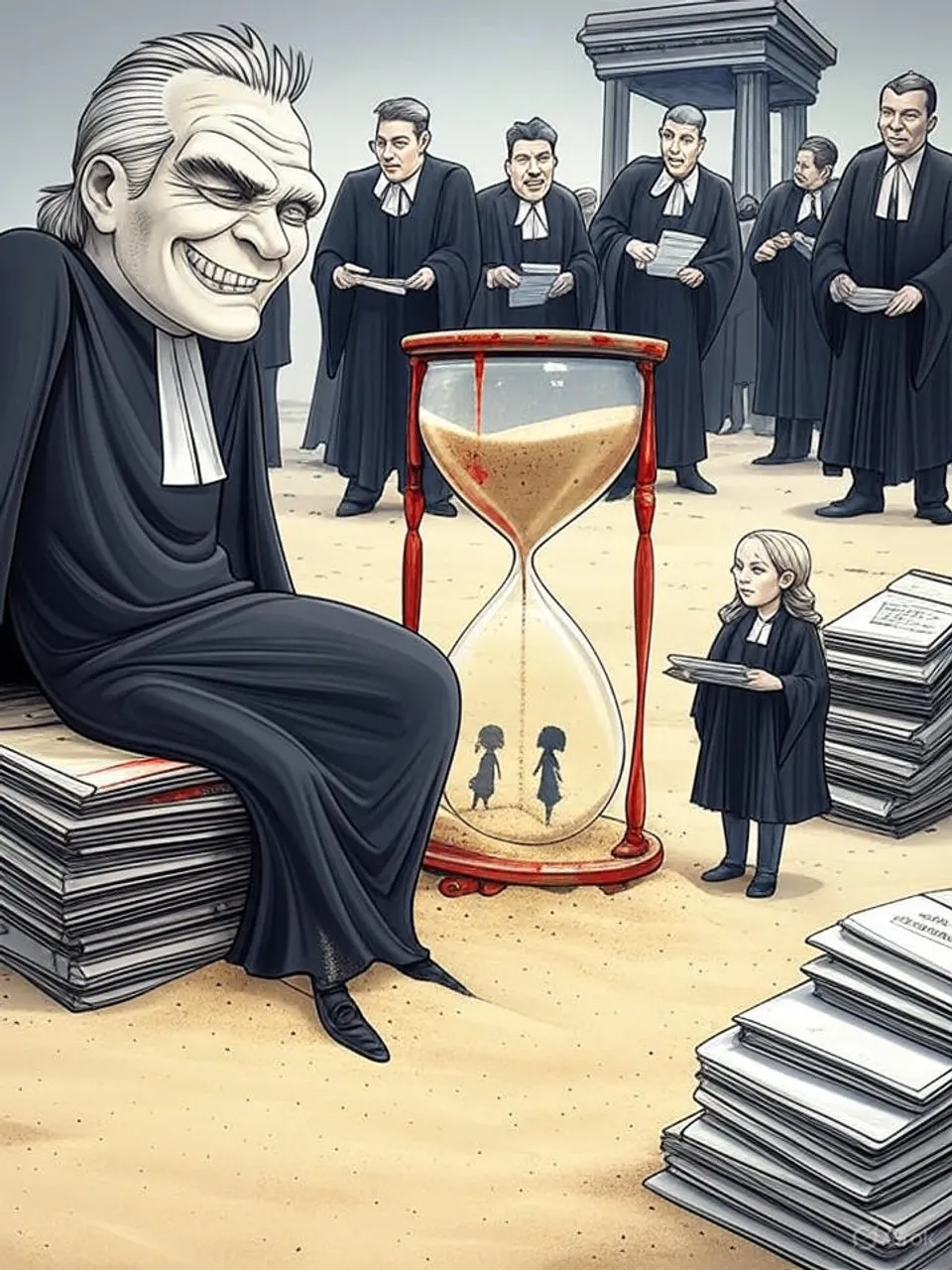
Brighton case highlights chronic delays in prosecuting youth rapes
A 2018 rape conviction in 2025 exposes Britain's justice system backlog, where seven-year waits erode victim protections and signal deeper failures in safeguarding teenage girls amid rising sexual offenses.
A seven-year wait for conviction exposes the fragility of protections for teenage girls in Britain.
Toby MacKenzie raped a 15-year-old girl in his Brighton home in June 2018, after supplying her alcohol. She awoke to the assault and endured a second rape when illness trapped her in the room. Text messages later captured her explicit non-consent and his feigned apology.
The second incident occurred that same summer during a holiday. MacKenzie, then a teenager himself, attempted to rape a 16-year-old girl and subjected her to serious sexual assault. Both victims knew him, turning personal acquaintance into betrayal.
Sussex Police received reports immediately in 2018 and arrested MacKenzie. Charges followed: two counts of rape, attempted rape of a woman over 16, and assault by penetration. Yet the case lingered until November 7, 2025, when Lewes Crown Court sentenced him to four years and six months.
That span—seven years from crime to bars—marks no anomaly in Britain’s handling of sexual offenses. Court backlogs swelled past 60,000 cases by 2023, with rape trials averaging 759 days from charge to conclusion, per Ministry of Justice data. Delays compound victim trauma, as specialist support strains under resource cuts.
Alcohol fueled both attacks, a pattern in one-third of reported rapes involving minors, according to the Office for National Statistics. MacKenzie provided drinks to lower inhibitions, exploiting the girls’ youth and vulnerability. Such tactics thrive in a society where underage drinking evades consistent enforcement, leaving adolescents exposed.
The victims’ courage drove the investigation, as Detective Constable Stewart Cameron noted. They persisted through a “long and complex” process, aided by specialist officers. But this resolve masks systemic reliance on individual fortitude rather than proactive safeguards.
Britain’s record on preventing youth sexual violence falters. Referrals to child protection services for sexual abuse rose 12% in 2023, yet convictions for offenses against under-18s hover below 5%, per Crown Prosecution Service figures. Institutions prioritize reaction over prevention, allowing predators like MacKenzie to operate unchecked for years.
Policing plays a partial role. Sussex Police supported the victims throughout, but national trends show sexual offense reports surging 20% since 2018 without matching prosecution rates. Overstretched forces, with officer numbers stagnant at 147,000 amid population growth, divert focus from early intervention.
This case reveals deeper institutional inertia. Governments across parties have pledged action—Labour’s 2024 manifesto promised faster rape trials, echoing Tory commitments in 2019—yet delivery lags. The two-child benefit cap’s recent lift addresses poverty tangentially, but it ignores how deprivation amplifies risks for girls in unstable homes.
Social cohesion erodes as trust in justice plummets. Only 38% of Britons believe the system treats victims fairly, down from 52% in 2010, according to Ipsos polling. Delayed verdicts signal impunity, emboldening offenders and silencing survivors.
Communities bear the cost. In Brighton, a city with youth homelessness rates 15% above national averages, such crimes fracture neighborly bonds. Girls navigate daily fears, their agency curtailed by a state that promises protection but delivers postponement.
The four-and-a-half-year sentence, while closing one chapter, underscores sentencing disparities. Adult rapists average 8.5 years, but youth offenders often receive lighter terms, per Sentencing Council guidelines. This leniency, intended for rehabilitation, risks underestimating lifelong harm to victims.
Broader patterns emerge across UK regions. Similar delays plague cases in Manchester and London, where 2024 saw 70,000 unprocessed sexual offense reports. The cycle persists because funding prioritizes prisons over prevention—£4.5 billion annually on incarceration versus £1.2 billion on youth services.
Functional governance would mean trials within two years, bolstered by dedicated units and community education on consent. Instead, Britain operates a reactive apparatus, where seven-year shadows over teenage lives become the norm. Power structures reward endurance over efficiency, as officials tout resolutions without addressing the voids.
This conviction, hard-won after years of waiting, lays bare Britain’s social decay: a nation where girls’ safety hinges on personal bravery amid institutional neglect. Predators exploit the gaps, and the state, unchanged by rotating governments, lets the delays define justice. Ordinary citizens inherit a fractured trust, one deferred verdict at a time.
Commentary based on Brighton man jailed for rape and attempted rape of two girls at sussex.police.uk.