Seventy-Six Percent Forecast Britain's Downward Turn
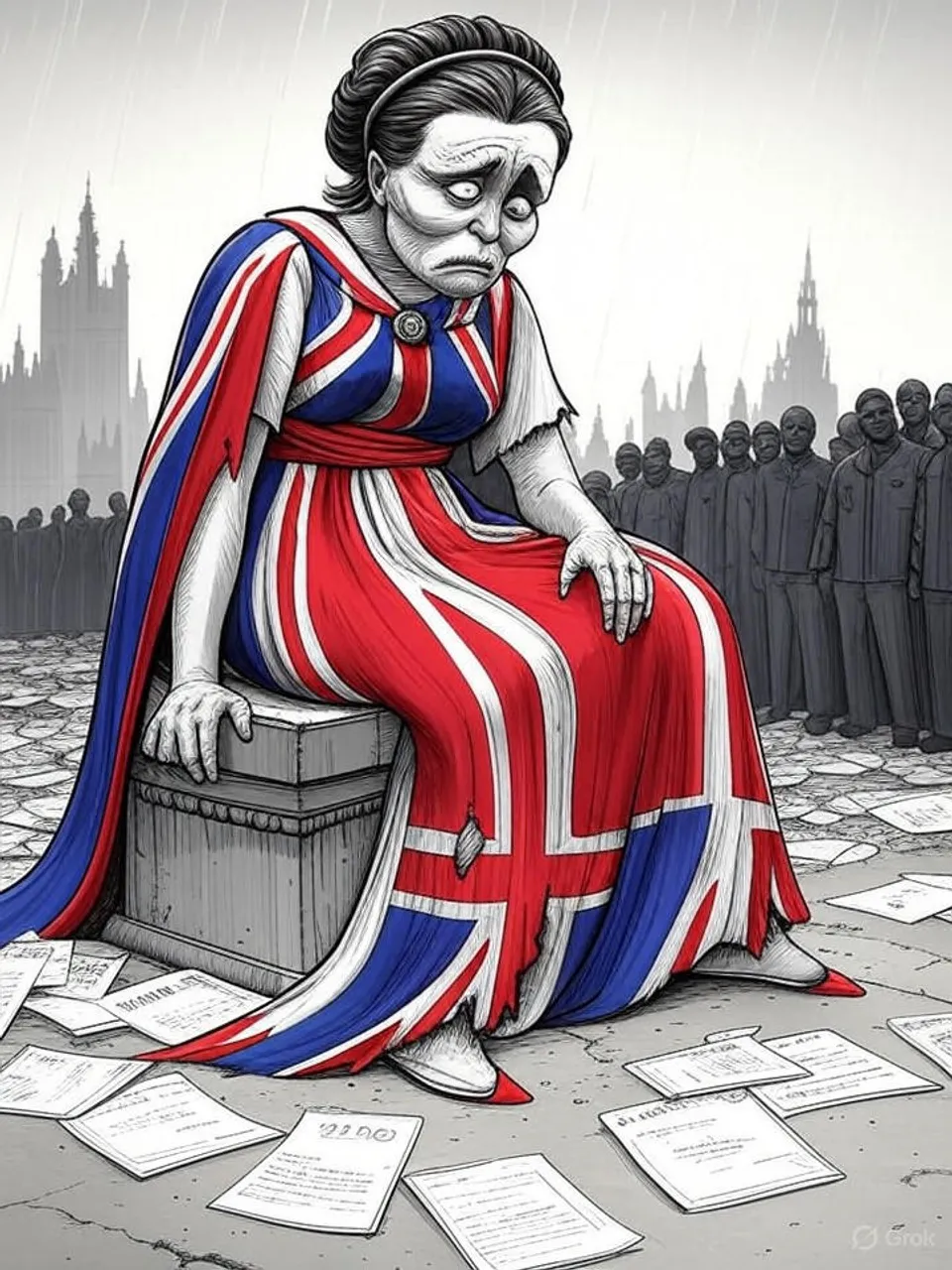
Poll reveals record gloom as unemployment rises and budget fears mount
A new survey shows 76% of UK voters pessimistic about the future, the highest this year, amid joblessness peaks and tax hike anxieties. This reflects systemic economic failures across governments, eroding living standards without effective remedies.
A City AM/Freshwater Strategy poll captures 76 percent of UK voters expressing pessimism about the nation’s future, the highest figure since tracking began in January 2025. This marks a stark divergence from official narratives of stabilization under the current Labour government. Only 19 percent see the country heading in the right direction, underscoring a public verdict on economic management that predates the upcoming Autumn Budget.
The survey’s timing amplifies its weight. Conducted amid rising joblessness—the highest post-pandemic level—and persistent high lending rates, it reflects tangible pressures on households. Respondents cited fears of tax hikes on workers, with 59 percent now predicting economic deterioration, up three points from October.
Household finances draw even sharper concern. Forty-eight percent expect their personal situations to worsen, double the 20 percent anticipating improvement. This split reveals how abstract economic indicators translate into daily insecurity for most citizens.
Living standards face similar gloom. Fifty-three percent foresee a decline over the next year, exceeding last month’s readings. Such expectations align with recent Office for National Statistics data showing wage growth at 4.6 percent excluding bonuses, yet insufficient to offset inflation and rising costs.
Budget Shadows Lengthen
The poll emerges just before Chancellor Rachel Reeves delivers the Autumn Budget. Speculation centers on potential tax increases for households, savers, and pensioners, fueling the dejection. Reeves has prioritized tackling inflation, including possible VAT removal from domestic energy bills, but these measures appear too narrow to shift public sentiment.
Think tanks like the Institute for Public Policy Research offer prescriptions. They advocate mandatory labels to expose “shrinkflation”—companies shrinking product sizes while holding prices steady—and subsidies for electricity costs. Smaller supermarkets would face requirements to stock cheaper own-brand options, aiming to curb consumer deception.
Business voices counter with their burdens. Jane Gratton of the British Chambers of Commerce points to “sky-high employment costs” squeezing profits. National insurance hikes and sustained wage pressures, as reported by the ONS, illustrate how policy choices ripple through the private sector, constraining growth.
These proposals highlight a core dysfunction. Governments across parties promise relief through targeted interventions, yet underlying structural weaknesses—high unemployment, inflexible labor costs, and fiscal constraints—persist. The poll’s findings expose how such efforts fail to address root causes, leaving voters to bear the cumulative weight.
Public trust erodes in this environment. When 76 percent view the future negatively, it signals not fleeting discontent but a judgment on decades of economic policy. Successive administrations, from Conservatives to Labour, have overseen productivity stagnation and living standard erosion, with this poll quantifying the resulting alienation.
The data omits no partisan blame; it indicts the system. Functional governance would deliver measurable gains in employment and affordability, not reactive patches amid record pessimism. Instead, ordinary citizens confront a reality where economic decline feels inevitable.
This survey lays bare Britain’s entrenched malaise. Seventy-six percent pessimism connects directly to verifiable failures in jobs, costs, and policy delivery, perpetuating a cycle of decline that no single budget can reverse. The uncomfortable truth endures: public despair mirrors institutional incapacity, locking in a diminished national trajectory.
Commentary based on Majority of Brits think UK is f***** as pre-budget gloom sets in by Dan Grennan on Daily Star.