Trusts Claim Faulty PPE Windfall
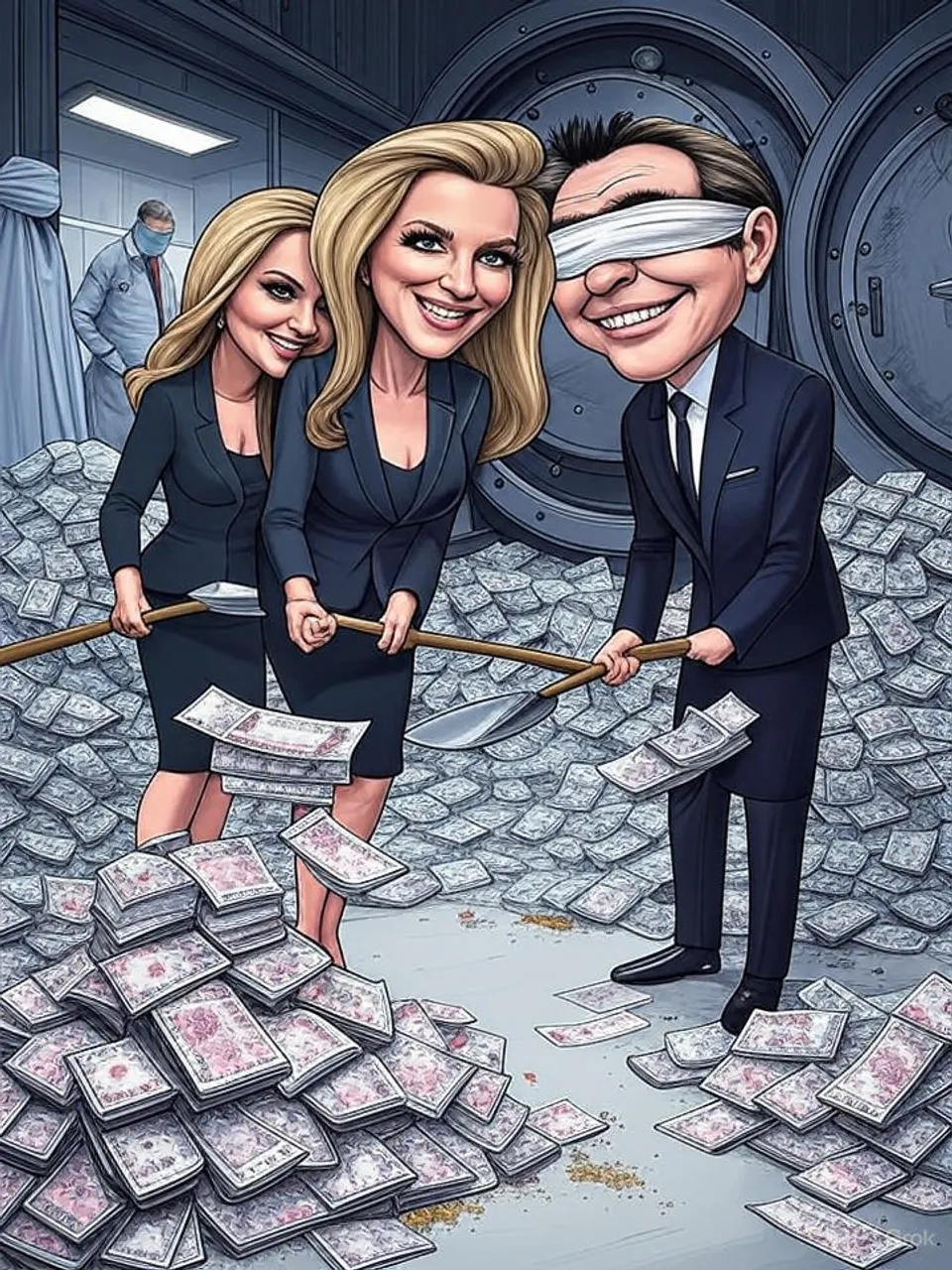
£65 Million Profits Evade Tax as HMRC Chases Shadows
Douglas Barrowman's PPE Medpro funneled £65m profits into trusts, dodging taxes via administration, in a pattern of elite avoidance that burdens UK taxpayers amid weak enforcement.
Commentary Based On
Tax Policy Associates
Douglas Barrowman and Michelle Mone may have avoided tax on their £65m PPE profits
Douglas Barrowman channeled £65 million in pandemic profits from faulty PPE sales into family trusts, evading corporation tax while his company entered administration to sidestep repayment demands. HMRC now pursues £39 million in back taxes, mirroring a pattern of aggressive avoidance that has defined Barrowman’s business career. This case exposes how elite networks extract public funds without consequence, as government procurement bypassed safeguards during crisis.
PPE Medpro secured £200 million in contracts from the UK government in 2020, supplying personal protective equipment that later failed sterility standards. The firm pocketed £65 million in profits, which flowed directly into trusts benefiting Barrowman and his wife, Michelle Mone, a Conservative peer. No corporation tax appears in the accounts, and the company collapsed into administration rather than refund the £122 million plus interest owed to the Treasury.
Barrowman’s track record reveals a blueprint for this outcome. His firms have marketed tax avoidance schemes that crumbled under HMRC scrutiny, leaving clients with massive liabilities—some facing ruin, with four reported suicides. Companies like AML Tax (UK) Limited accrued £159,000 in unpaid taxes and penalties before insolvency erased the debt.
A decade earlier, Barrowman orchestrated a similar maneuver through Axis Ventura Limited. The firm received €6.3 million from a Spanish transaction, funneled it into an employee benefit trust as untaxed loans, then entered administration. HMRC assessed £1.4 million in tax, but recovery efforts failed as the entity dissolved with no assets.
In PPE Medpro’s case, administrators’ reports confirm large payments to unspecified entities, prompting HMRC’s £39 million claim—likely encompassing income tax, national insurance, and penalties on disguised rewards. Barrowman admitted concealing his control of the firm, violating beneficial ownership rules. Yet, records still omit his name, underscoring persistent gaps in corporate transparency.
This avoidance tactic, dubbed a “bottom of the harbour” scheme, exploits limited HMRC powers to pursue shareholders. Pre-2008 rules failed against such structures, and even updated ones may falter here. Barrowman’s history suggests deliberate design: extract profits, claim deductions, dissolve the shell, and leave public coffers short.
The pandemic procurement frenzy amplified these vulnerabilities. The UK government awarded VIP lane contracts to politically connected suppliers like PPE Medpro, sidelining competitive bidding. Over £15 billion in PPE deals went to insiders, with quality issues plaguing 80% of supplies by some estimates. Faulty gear endangered frontline workers, yet profiteers walked away enriched.
Cross-party neglect sustains this ecosystem. Conservative ministers fast-tracked Mone-linked bids; prior Labour governments underfunded HMRC, slashing 20,000 staff since 2005. Enforcement budgets remain squeezed, allowing serial avoiders like Barrowman to thrive. Ordinary taxpayers fund the shortfall, with £35 billion lost annually to evasion and avoidance.
New rules under the Finance Act 2022 empower HMRC to target directors personally in avoidance cases, potentially clawing back Barrowman’s gains. But implementation lags, and appeals could drag for years. This delay perpetuates the cycle: elites game the system, institutions react too late, and accountability evaporates.
The Barrowman saga illustrates institutional capture at its core. Public money flows to connected firms during emergencies, profits shelter in trusts, and administrations shield the architects. No fraud charges emerge despite calls for investigation into deceptive schemes. This erodes trust in governance, as citizens witness elites evade the rules binding everyone else.
Britain’s tax regime, once a model of equity, now bends to the powerful. Pandemic windfalls like these £65 million highlight how crises expose fractures: procurement without oversight, enforcement without teeth, and justice deferred indefinitely. The UK declines not from isolated scandals, but from a system that rewards extraction over restitution, leaving public services starved and faith in institutions hollowed out.
Note: This article was accessed via the Internet Archive Wayback Machine (archived 2025-11-06) as the original source was unavailable.
Commentary based on Douglas Barrowman and Michelle Mone may have avoided tax on their £65m PPE profits by Dan Neidle on Tax Policy Associates.