Unemployment Climbs to 5.2% Under Labour's Growth Vow
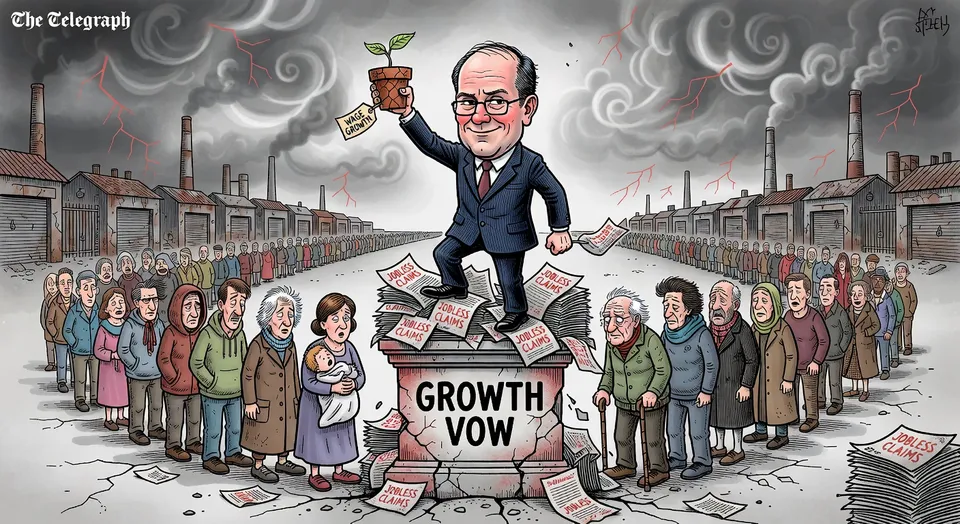
Job seekers per vacancy hits post-pandemic high amid rights laws and tax hikes
UK unemployment reached 5.2% in December, up from 4.1% at Labour's 2024 entry, as new worker rights and NI rises prompt hiring cuts. Youth joblessness hit 14%, signaling policy-driven market tightening.
Official figures show the UK’s jobless rate at 5.2% for December, the highest in nearly five years. Labour entered office with 4.1% unemployment and promises of economic expansion. The gap widened as redundancies rose and job seekers outnumbered vacancies at a post-pandemic peak.
The Office for National Statistics recorded more people actively hunting work. Job openings stayed flat over recent months. Unemployed people per vacancy hit levels unseen since pandemic recovery began.
Youth bore the brunt. Unemployment for ages 18-24 jumped to 14% from 13.7%. Higher minimum wages for young workers contributed, per Bank of England economist Catherine Mann.
Employers cited policy shifts. Over a third plan to cut hiring due to the Employment Rights Act, per CIPD survey. The law mandates day-one sick pay and parental leave, raising compliance costs.
National Insurance hikes added pressure. Employers faced steeper contributions from April. These changes slowed private sector hiring amid stable public sector demand.
Wage patterns exposed divides. Public sector earnings rose 7.2% annually, private sector 3.4%. Overall pay growth dipped to 4.2% from 4.4%.
Policy Costs Hit Job Creation
Labour’s reforms aimed to bolster workers. Instead, businesses report hiring freezes. The ONS flags data reliability issues, but the upward trend holds across metrics.
Redundancies accelerated. Firms shed staff as growth stalled at 0.1% in late 2025, below forecasts. Job market tightness signals deeper contraction.
This echoes pre-election warnings. Labour pledged stability after Tory turbulence. Unemployment rose regardless, driven by own fiscal choices.
Public sector pay surges fueled the disparity. Taxpayer-funded rises outpaced private gains. Resources flowed inward, squeezing broader employment.
Recurrent Economic Drag
UK jobless rates hovered below 5% for years post-pandemic. Policies now reverse that. Cross-party pattern: interventions raise barriers under both governments.
Employers weigh costs against hires. Day-one rights and taxes tip scales toward caution. Result: longer queues for fewer spots.
Ordinary citizens face fallout. Finding work takes longer; youth prospects dim. Living standards stagnate as payroll taxes climb.
Bank of England eyes rate cuts at 3.75%. Traders bet on March relief. Yet wage moderation offers cold comfort amid job scarcity.
Institutions prioritize rights over volume. Growth rhetoric fades against data. Hiring stalls expose the trade-off.
Britain’s economy documents its own decline. Unemployment at 5.2% reveals policy colliding with reality. Growth promises yield tighter markets and rising redundancies, a pattern entrenched across administrations.
Commentary based on Unemployment hits highest rate in nearly five years at Sky News.