West Yorkshire's tram lines slide from 2032 to 2039
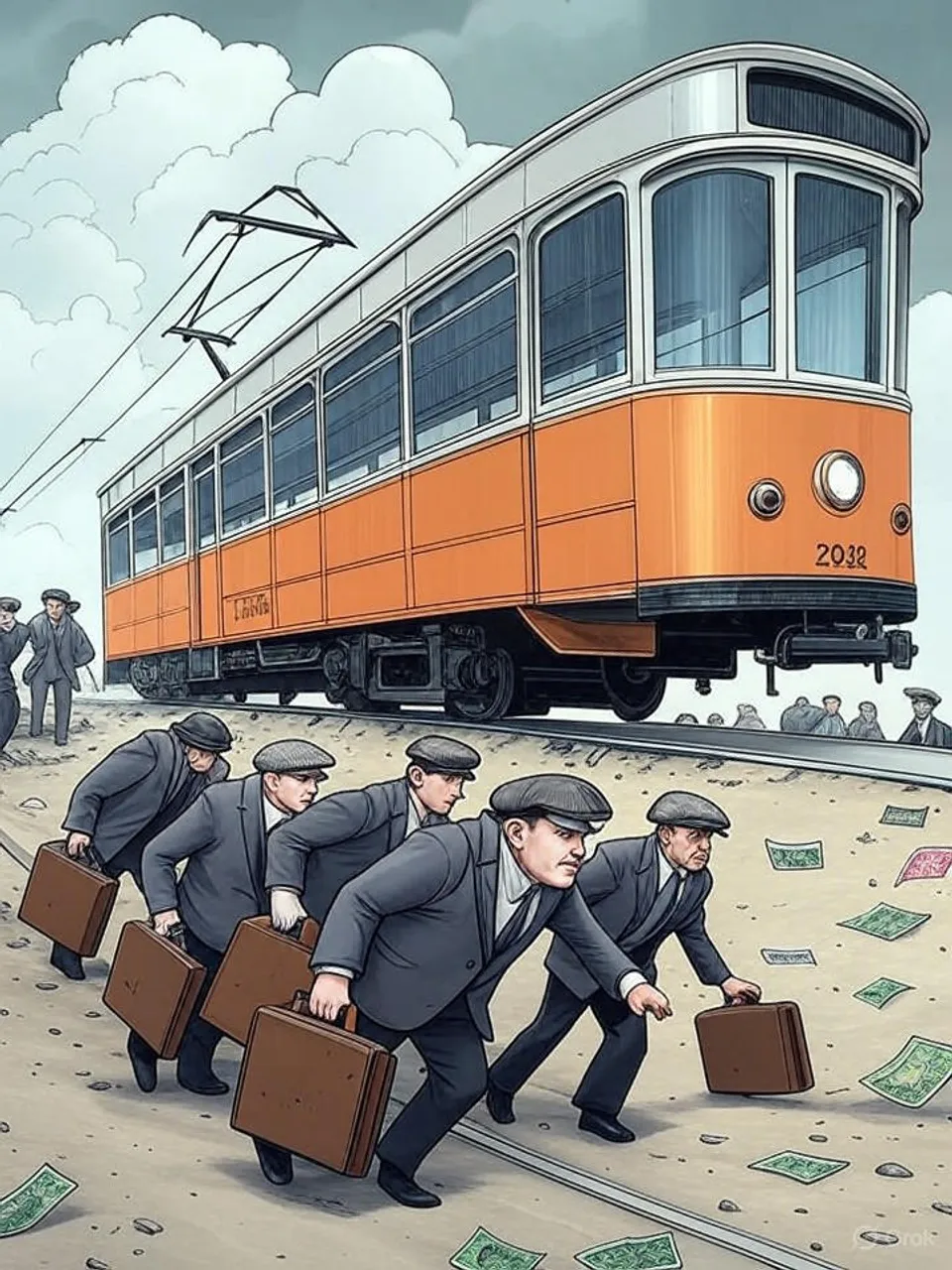
£2.1bn pledge meets sequential delay after 20 years of false starts
Government review pushes Leeds-Bradford trams eight years amid cost risks, repeating 2005 Supertram axing and bus flop. Cross-party failures lock regions in transit limbo, inflating bills without delivery.
The government pledged £2.1 billion for a Leeds-Bradford mass transit network expected in the early 2030s. A review now demands separate route planning and business case development, pushing operations to the late 2030s. West Yorkshire Combined Authority accepts the “sequential approach” despite prior dual-track efforts.
Costs already stand at £2.5 billion before construction.
Mayor Tracy Brabin promised spades in the ground by 2028. She now commits to “preparatory work” that year while standing by end-of-decade delivery. The Department for Transport ramps up oversight, assigning Rail Minister Lord Peter Hendy and eyeing the Major Projects Portfolio.
This mirrors past failures.
Labour cancelled Leeds Supertram in 2005 as costs escalated on the 17-mile scheme. A promised electric bus system, New Generation Transport, collapsed after a planning inspector deemed it against public interest. Both projects targeted similar connectivity gaps.
Leeds Conservative leader Alan Lamb calls it history repeating.
He warns of substantial cost inflation and project jeopardy, likening it to HS2. Inflation erodes fixed pledges; eight extra years guarantee higher material and labour prices. No updated budget figure emerges from the review.
The network aims to serve 675,000 people, hitting deprived areas.
Two lines link Leeds centre to Bradford centre and St James’s Hospital to White Rose Centre. Proponents claim better local transport amid congested roads. Yet delivery records undermine such projections.
UK governments repeat infrastructure overpromising.
Since 2005, West Yorkshire chased trams, buses, then trams again under multiple administrations. Labour axed Supertram, Conservatives backed buses that failed, and now Labour delays the revival. Cross-party pattern: bold announcements, rising costs, retreats.
Oversight intensifies, but patterns persist.
Adding the project to the Major Projects Portfolio signals national priority. DfT’s closer watch follows funding secured in June 2025. Such measures failed to save prior schemes.
Preparatory work buys time without guarantees.
Brabin’s 2028 start echoes unfulfilled timelines. Supertram reached planning before cancellation; buses advanced to inspection defeat. Incremental steps mask full delivery shortfalls.
Taxpayers fund the drift.
£2.1 billion committed, yet no-tram status quo endures into the 2030s. Regional economies stagnate without reliable transit; commuters face worsening buses and rails. Deprived communities wait longest.
Institutional incapacity defines the cycle.
Governments allocate billions, reviews expose flaws, timelines stretch, costs balloon. Officials shift roles; Brabin remains, critiqued yet unaccountable. No mechanism punishes serial underdelivery.
This exposes Britain’s infrastructure sclerosis.
Major projects consume funds without output, from HS2 truncation to regional tram ghosts. Political leaders tout ambition; reality delivers deferral. Ordinary citizens inherit higher costs and immobility, as governing competence erodes across parties.
The uncomfortable truth: UK cannot build what it plans.
Commentary based on Leeds-Bradford £2.5bn tram plan delayed after government review at BBC News.