Britain's Leadership Carousel Spins On
Frequent prime ministerial turnover has produced no measurable reversal in economic stagnation, service decline, or migration volumes.
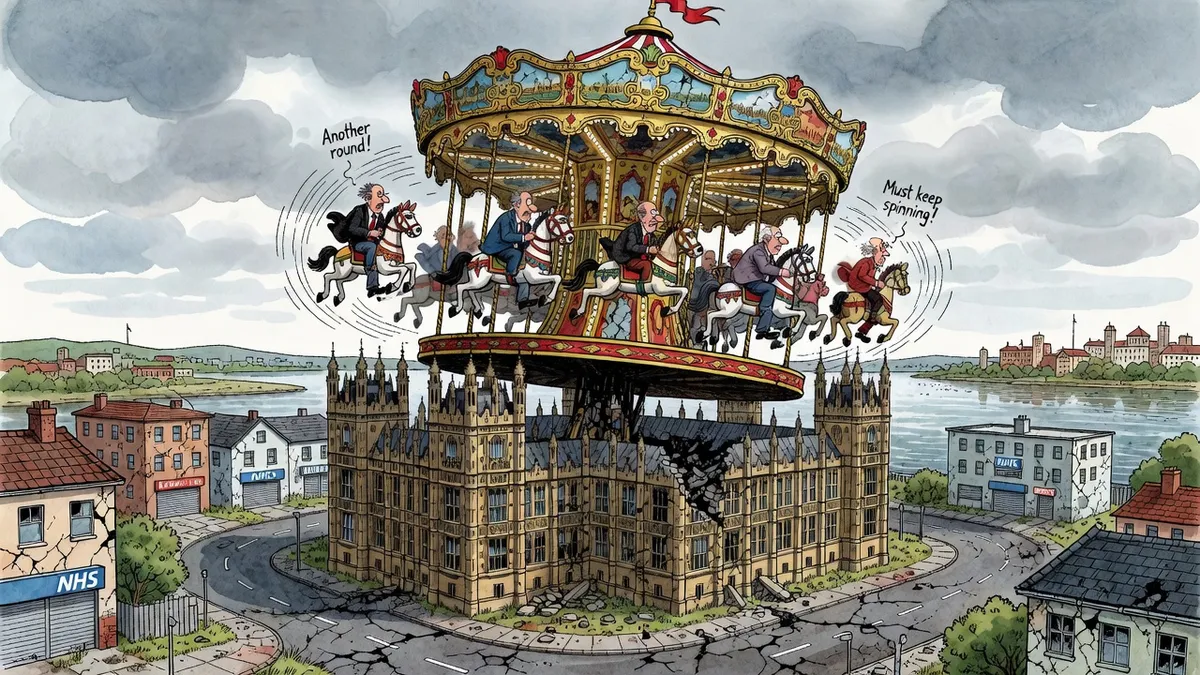
Seventh prime minister since 2016 assumes office without altering entrenched trajectories
Britain has installed its seventh prime minister in ten years with Andy Burnham’s confirmation as Labour leader. The change follows the 2016 referendum and repeats a cycle of short tenures that began with David Cameron’s departure. No incoming occupant has yet reversed the measurable deterioration in economic output, public service capacity, or border control recorded across successive administrations.
Burnham inherits immediate pressures on growth, household costs, and migration volumes. These conditions predate his appointment and match the record left by the six previous holders of the office. Foreign policy demands over Ukraine and Iran add further constraints that require sustained diplomatic positioning rather than repeated resets.
Pattern of Short Tenures
Each prime minister since 2016 has faced comparable domestic shortfalls. Official data show stagnant productivity, repeated fiscal revisions, and net migration figures that remain elevated despite multiple policy announcements. The sequence of replacements has not altered these trajectories.
Institutional rules and party dynamics sustain the turnover. Leadership contests occur without corresponding shifts in parliamentary arithmetic or bureaucratic structures. Incoming figures inherit the same statutory framework and spending commitments that constrained their predecessors.
Limits on Policy Continuity
Long-term planning suffers when officeholders average less than two years in post. Infrastructure projects, trade negotiations, and welfare adjustments require multi-year execution that exceeds typical tenure lengths. The result appears in repeated delays to capital programmes and revisions to fiscal targets announced under prior governments.
Foreign governments and domestic agencies adjust to this instability by treating British positions as provisional. Commitments on security assistance or regulatory alignment receive less weight when the signatory’s term is likely to end before delivery milestones arrive.
The churn distributes accountability across multiple actors. Responsibility for outcomes disperses between administrations, reducing pressure on any single government to deliver measurable corrections within one electoral cycle.
Britain’s institutional response to accumulated pressures now consists of leadership replacement rather than structural adjustment. The record shows that this mechanism preserves existing trajectories in public finances, service delivery, and demographic trends.
Commentary based on The UK gets its seventh prime minister in 10 years at Al Jazeera.
← Back to commentary