Hotel-Housed Accused Shadows Tube Victims for Years
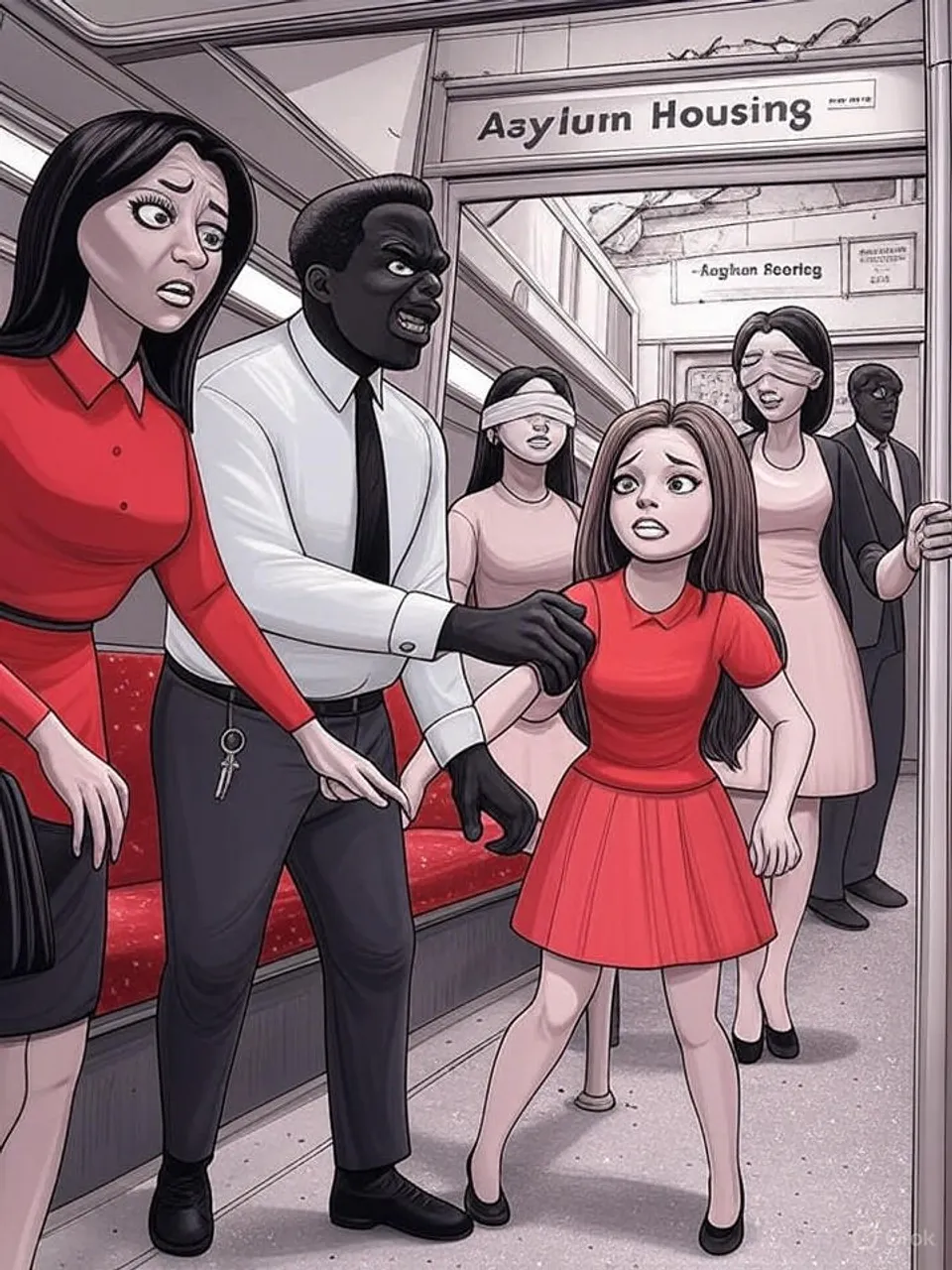
Three-Year Wait for Trial After Alleged Assaults on Girls as Young as 12
A Jordanian asylum seeker allegedly groped four females on London trains from a taxpayer hotel, facing a 2027 trial amid justice backlogs and migration housing failures. This reveals unchecked risks in urban public spaces.
Commentary Based On
The Sun
Hotel migrant 'sexually assaulted four women & girls as young as 12 on Tube'
A Jordanian national accused of groping four females—including a 12-year-old girl—on London Underground trains resided in a taxpayer-funded asylum hotel during the alleged one-month spree.
Prosecutors outlined attacks spanning January 27 to February 13, targeting lone passengers on routes like the District Line and Elizabeth Line.
The incidents occurred in crowded commuter zones: Paddington, between St James Park and Acton Town, near Whitechapel, and from Liverpool Street to Canary Wharf.
Hamza Alotaibi, 27, entered the UK as an asylum seeker and received housing in a central London hotel at public expense.
Such accommodations house thousands amid a backlog of 100,000 asylum claims, a figure that doubled under the previous government and persists under the current one.
Hotels in urban areas place arrivals near transport hubs, amplifying risks during peak hours when women and children travel alone.
Alotaibi denied the charges at Inner London Crown Court.
The judge set a trial for January 4, 2027—nearly three years away—due to a clogged court system strained by 67,000 outstanding cases nationwide.
This delay stems from chronic underfunding: crown court sitting days fell 20 percent since 2019, affecting victims across all demographics.
Bail conditions restrict Alotaibi from rail networks except for legal or medical needs, and mandate Oyster card use on the Underground.
He relocated to another asylum hotel in Hartlepool post-arrest.
Such relocations highlight the ad-hoc nature of migrant housing, with 30,000 still in hotels costing £8 million daily.
Justice System Overload
The 2027 trial date underscores a collapse in timely adjudication.
Victims wait years while accused individuals remain free under loose supervision.
This pattern erodes deterrence: sexual offense backlogs rose 40 percent in five years, correlating with a 15 percent uptick in reported Tube assaults since 2020.
Public transport operators report 1,500 sexual offenses annually on the network, yet prosecutions lag.
Migration Policy Voids
Asylum hotel placements prioritize proximity over security vetting.
No mandatory background checks occur pre-housing, a gap exposed in multiple inquiries since 2018.
Cross-party governments expanded hotel use from 5,000 beds in 2019 to over 50,000 today, without integrating safeguards like isolation from vulnerable populations.
Fiscal strain mounts: £2.5 billion spent on hotels last year alone, diverting funds from domestic services.
Public Safety Fractures
Women and girls face heightened exposure on the Underground, where 80 percent of sexual assaults target solo travelers.
Official data shows a 25 percent rise in such incidents since 2015, coinciding with urban population pressures from net migration exceeding 700,000 annually.
Authorities issue vague advisories like “travel in groups,” but fail to address root enablers: overcrowded systems and unchecked inflows.
Transport for London cut frontline staff by 10 percent amid budget squeezes, reducing visible patrols.
Institutional Disconnects
Policing responses prioritize containment over prevention.
Alotaibi’s bail reflects resource shortages: only 5 percent of reported assaults lead to charges, per Metropolitan Police figures.
This impunity signals deeper malaise—trust in the criminal justice system hit 35 percent in recent polls, down from 55 percent a decade ago.
Governments of all stripes pledge crackdowns, yet delivery falters: Labour’s 2024 manifesto promised faster asylum processing, but claims pile up unresolved.
The arrangement benefits few: private hotel operators profit from no-bid contracts, while taxpayers foot bills and citizens bear risks.
Ordinary Londoners navigate rails with unspoken vigilance, a far cry from the secure networks of the 1990s when assaults numbered under 500 yearly.
These assaults, enabled by policy inertia, expose the hollow core of UK governance: promises of control yield only extended vulnerabilities.
The state houses potential threats in plain sight, delays reckoning indefinitely, and leaves the public to absorb the fallout—a microcosm of national erosion where safety yields to systemic neglect.
Commentary based on Hotel migrant 'sexually assaulted four women & girls as young as 12 on Tube' by 161385360554578 on The Sun.