immigration
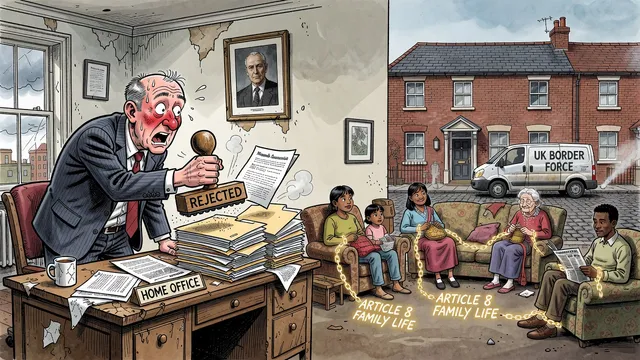
Rejections Without Removal: Home Office Data on Article 8 Claims
New limits on family-based human rights claims produce more paper refusals but leave over half of applicants inside the UK.
Facts first. Parties second.
17 articles
immigration
New limits on family-based human rights claims produce more paper refusals but leave over half of applicants inside the UK.

asylum policy
A 12-year-old girl's rape by an Afghan national exposes policing opacity and migration strains, sparking protests and policy shifts that reveal deeper trust erosions in UK institutions.
asylum policy
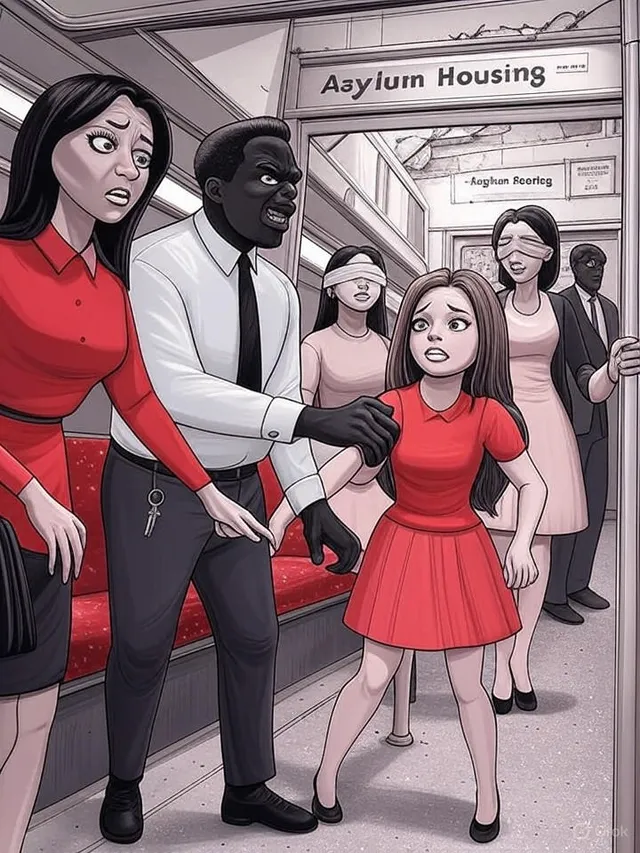
A Jordanian asylum seeker allegedly groped four females on London trains from a taxpayer hotel, facing a 2027 trial amid justice backlogs and migration housing failures. This reveals unchecked risks in urban public spaces.
asylum policy
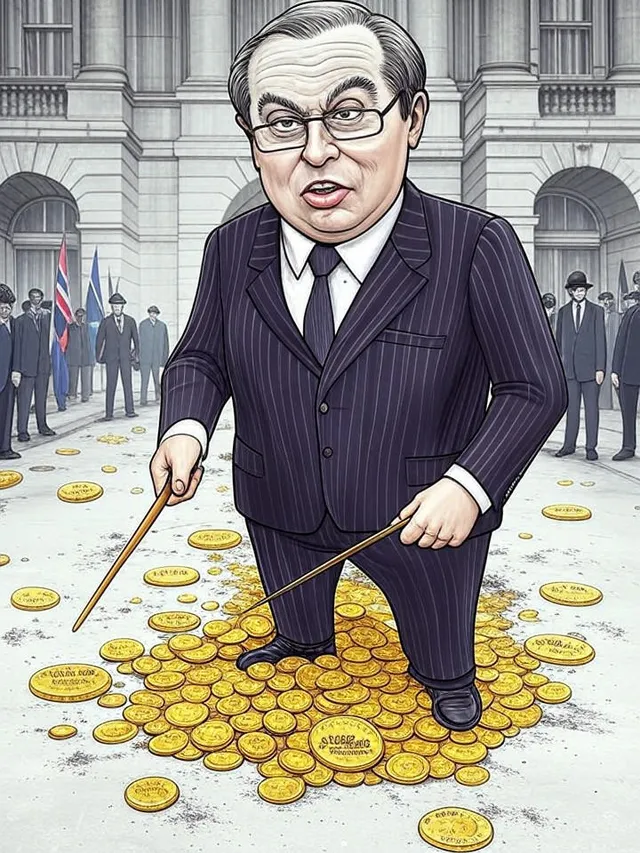
Analysis debunks a coalition report claiming £266,000 economic gains per refugee, exposing flawed assumptions and potential billions in added costs amid UK's strained public finances.

policing
A police leader equates national flag surges with division, overlooking migration policy failures that fuel public tensions. This stance highlights institutional disconnects in addressing social fractures across governments.

immigration failures
An Iranian migrant's unchecked entry and prior violent record enabled a brutal rape, revealing systemic vetting failures that prioritize asylum over public safety across UK governments.
Green Party
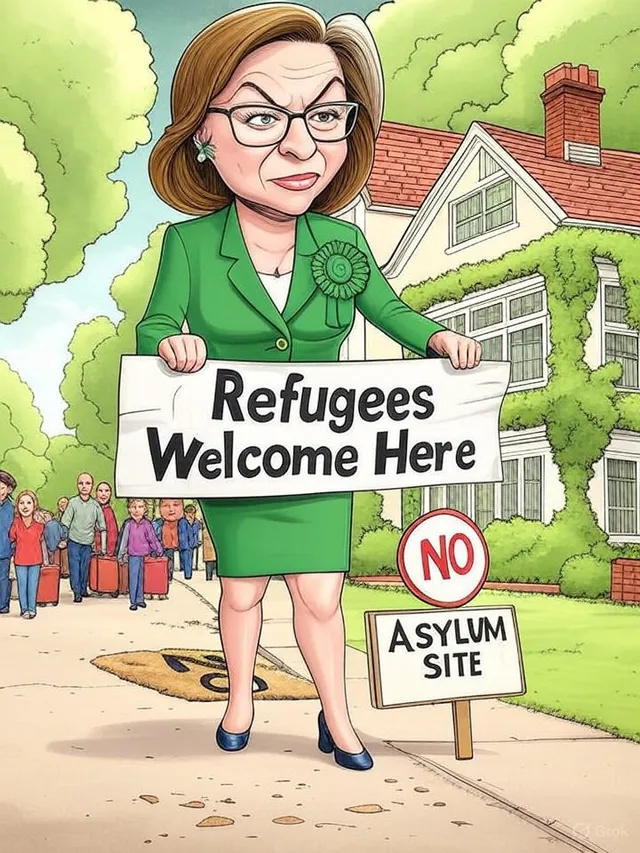
A Green Party leader's resistance to housing asylum seekers in her affluent area exposes NIMBYism in progressive politics and the UK's stalled migration policies. This rift deepens community divides without addressing systemic backlogs.
immigration
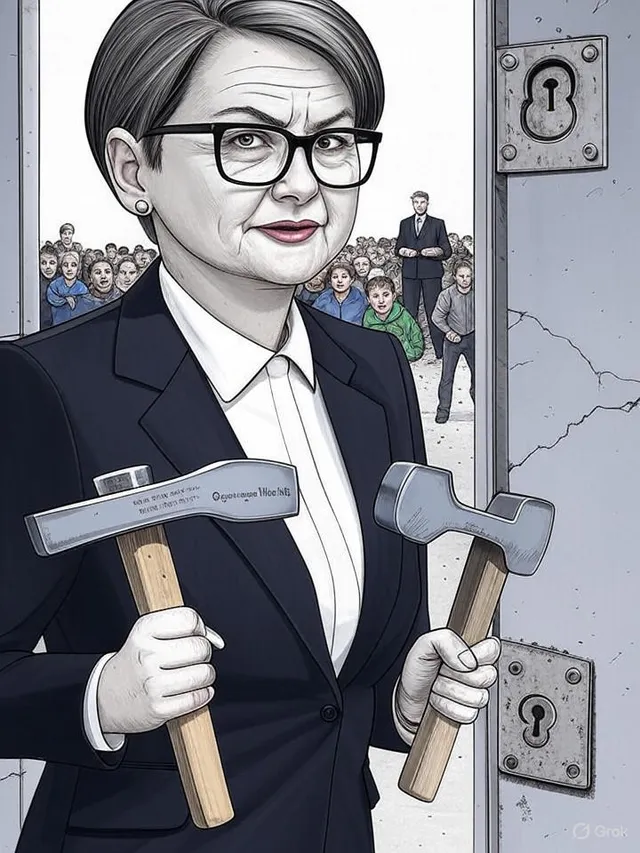
Labour imports Denmark's tough immigration model amid uncontrolled borders, exposing cross-party failures in enforcement and integration that strain UK institutions.
asylum policy
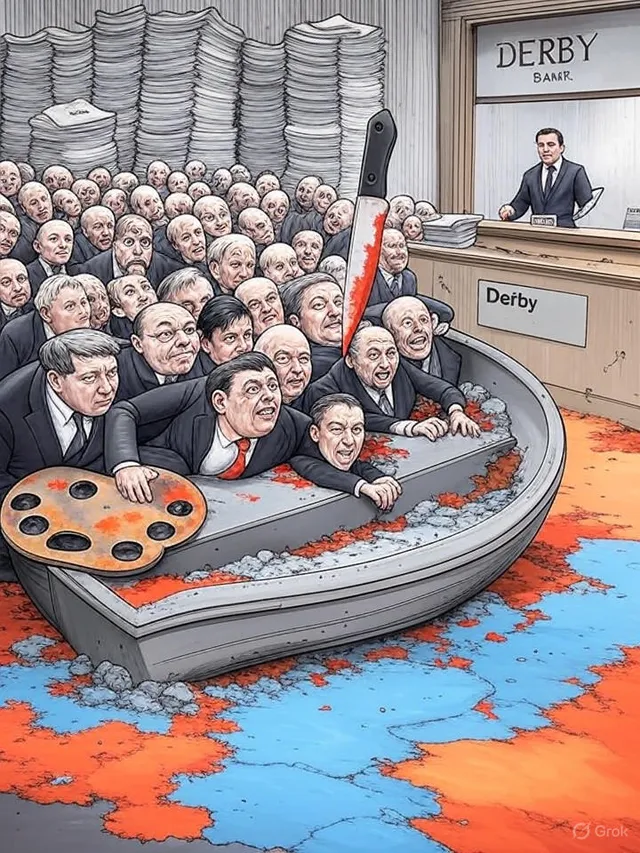
The fatal stabbing of a Derby man by a small boat migrant highlights failures in asylum processing and border enforcement that persist across governments, eroding public safety.
knife crime
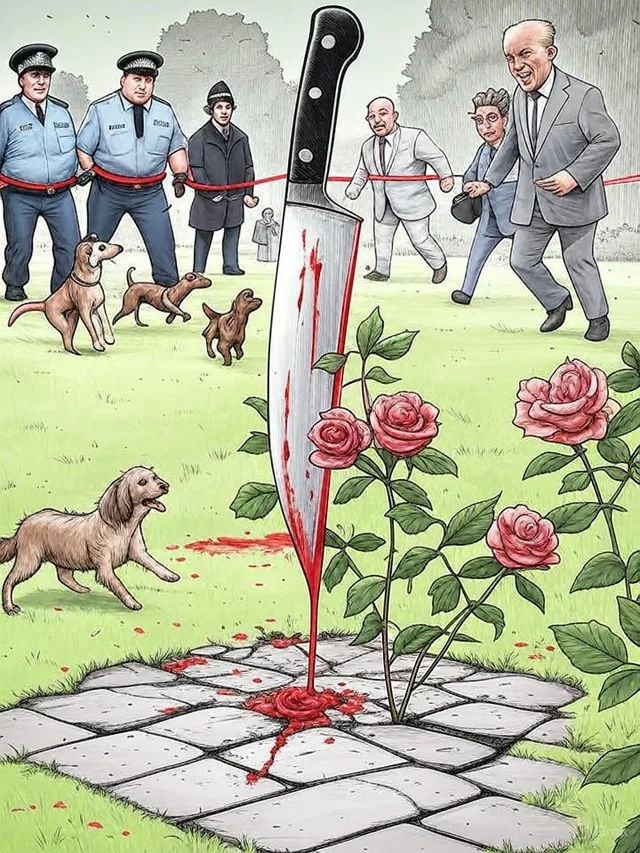
A routine dog walk in Uxbridge ends in death, exposing failures in asylum integration and rising knife crime that successive UK governments failed to curb.
asylum policy
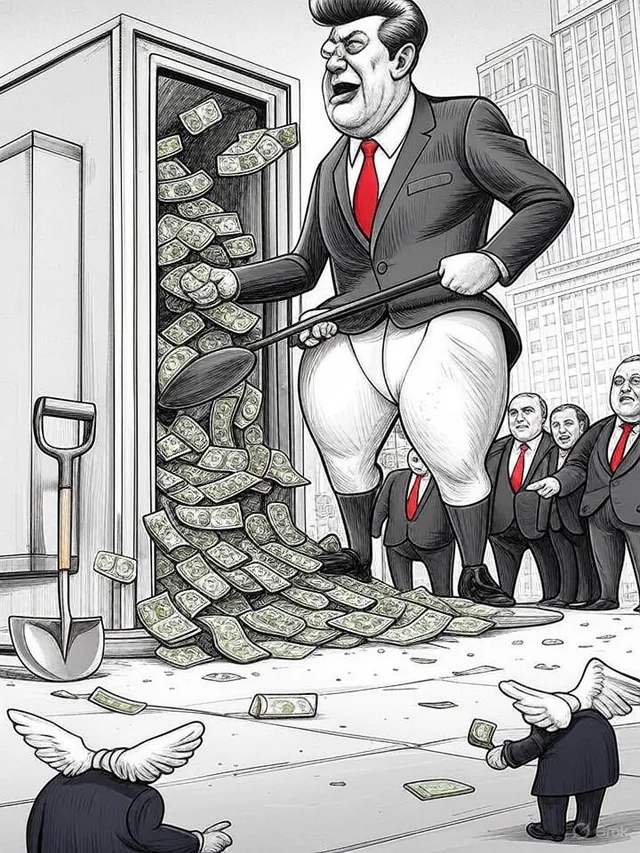
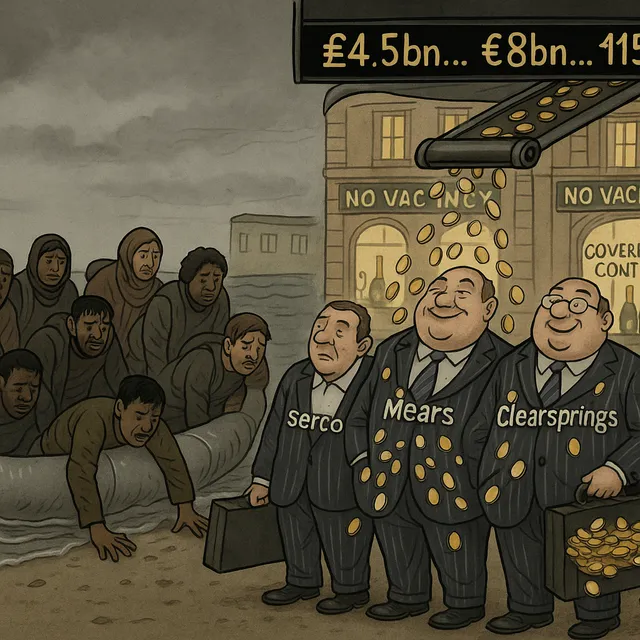
UK asylum accommodation costs have ballooned to £15.3 billion due to flawed contracts and oversight lapses, revealing cross-party institutional failures that waste taxpayer funds and fuel social tensions. This pattern underscores broader governance decay unaffected by changes in power.
Asylum Policy
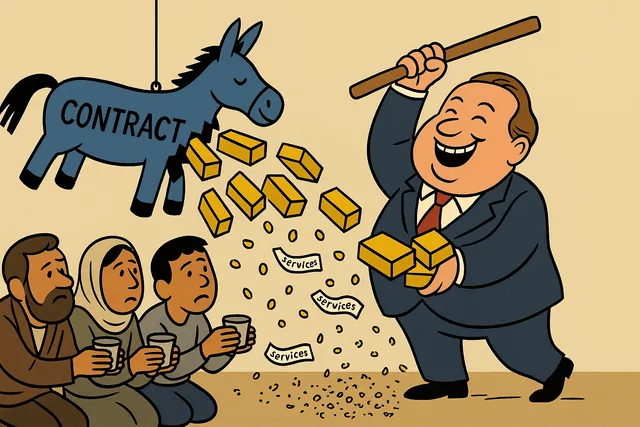
The Home Office's asylum accommodation contracts, initially valued at £4.5 billion, are now projected to cost £15 billion. Clearsprings Ready Homes founder Graham King has made £187 million in profits, becoming a billionaire, while asylum seekers in his hotels face inadequate food and rationed hygiene products. This isn't just a failure of policy—it's a symptom of Britain's institutional decay.
Asylum Policy
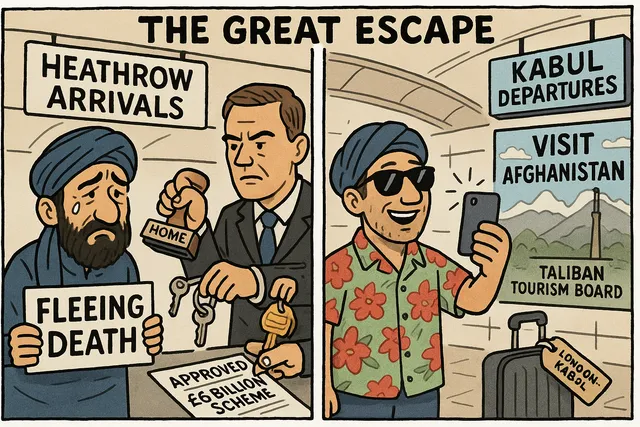
The UK government's £6 billion Afghan resettlement scheme has been exposed as a massive fraud, with many "refugees" returning to Afghanistan for holidays. This scandal reveals deep institutional failures and political hypocrisy in British governance.
Politics
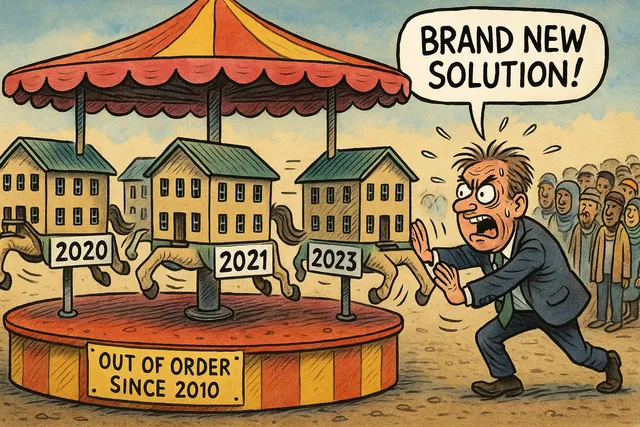
Defence Secretary John Healey's announcement to use military sites for asylum seekers is less a new solution and more a repetition of past failures. With asylum hotel costs at £8 million daily and no clear plan to end their use, the government is recycling failed strategies amid political panic rather than evidence-based planning. This move highlights Britain's institutional decay, where basic governmental functions are outsourced to military resources, reflecting a broader collapse in administrative competence.
Asylum Seekers
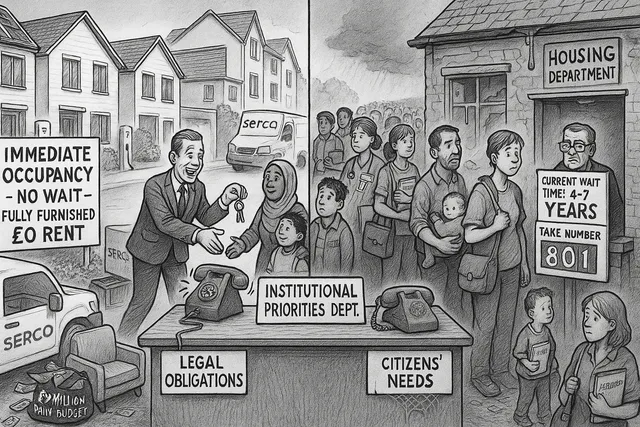
While local citizens struggle to find adequate housing, asylum seekers in Suffolk are being provided with premium accommodations at the taxpayers' expense. This disparity highlights the urgent need for a reevaluation of housing policies to prioritize the needs of local communities.

Asylum Policy
The Economist's proposal to "scrap the asylum system" represents the final capitulation of Western liberalism to its own failures. After decades of mismanaging migration policy, the establishment now proposes to abandon the 1951 Refugee Convention entirely—not to create something genuinely better, but to legitimise what they've already been doing: turning desperate people into political pawns while pretending to care about both human rights and border control.
Asylum Policy
The National Audit Office has revealed what happens when political grandstanding meets contractual reality: asylum accommodation costs have exploded from £4.5 billion to £15.3 billion over ten years. This isn't a miscalculation—it's a masterclass in how modern Britain converts public crises into private profit.