Patriotic Flags Labeled Tools of Intimidation
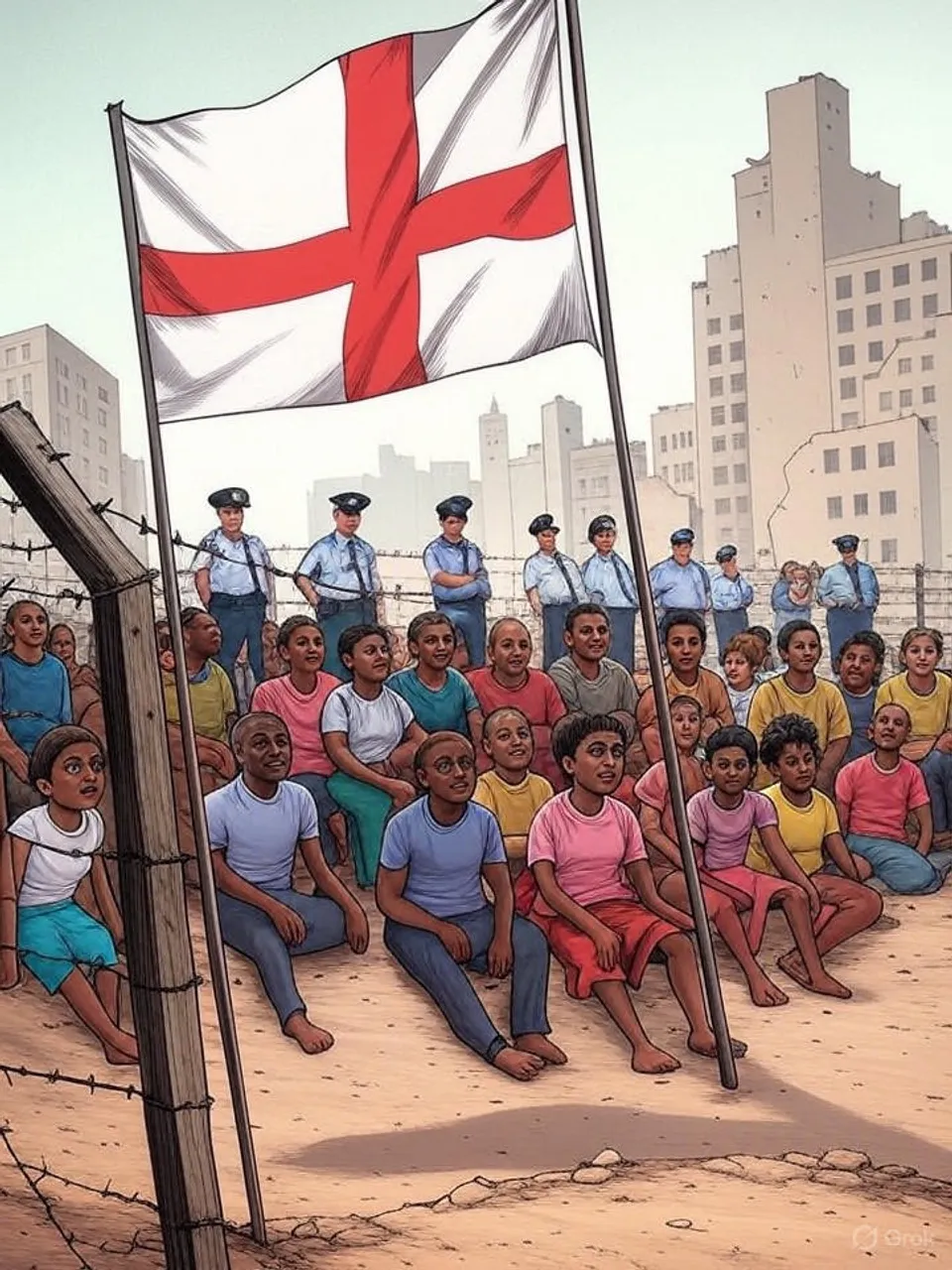
Police chiefs decry St George's displays amid asylum reform debates
A police leader equates national flag surges with division, overlooking migration policy failures that fuel public tensions. This stance highlights institutional disconnects in addressing social fractures across governments.
Commentary Based On
LBC
St George's flags on the nation's streets are causing 'division and fear' - police chief says
Police chiefs recast St George’s flags as instruments of intimidation, a claim that emerged at a summit where leaders decried rising anti-immigration sentiment. This positions everyday expressions of national pride against a narrative of hate and division. The statement ignores how such displays often respond to unchecked migration pressures that strain communities.
Emily Spurrell, head of the Association of Police and Crime Commissioners, delivered the remarks during discussions on hate crime trends. She highlighted flags on streets, lamp posts, and bridges as part of a “disturbing” pattern tied to misinformation about asylum seekers. Yet the surge she referenced stems from Operation Raise the Colours, a summer initiative by forces like Merseyside Police to visibly affirm community solidarity amid tensions.
That operation aimed to counter far-right agitation following riots, but it inadvertently amplified flag displays across England. Authorities intended to project unity; instead, Spurrell now frames the result as dominance assertion. This pivot reveals a policing strategy that polices patriotism itself.
Spurrell’s critique extends to government asylum reforms announced by Home Secretary Shabana Mahmood. The plans include faster deportations, a 20-year settlement wait, and visa restrictions on non-cooperative nations like Angola. She demands these changes retain “compassion,” warning against demonizing communities.
Such reforms address a backlog where asylum claims have doubled since 2019, with over 100,000 pending decisions. Net migration hit 685,000 last year, fueling public unease that manifests in flag-waving. Officials’ focus on rhetoric overlooks how policy inertia—sustained across Tory and Labour governments—breeds the very divisions they condemn.
Spurrell also redirects blame in debates over violence against women. She notes most perpetrators are British white men, dismissing immigrant links as “offensive” and misleading. Data from the Office for National Statistics supports this: 97% of sexual offenses involve UK nationals, with domestic settings predominant.
This intervention sidesteps integration failures that heighten vulnerabilities in diverse areas. High-migration locales report elevated harassment rates, per a 2023 Victim Support survey, where 40% of women felt less safe post-2010s influxes. Framing criticism as imported threats ignores how rapid demographic shifts erode trust without adequate support.
National Police Chiefs’ Council chair Gavin Stephens tempers the stance, calling flag disputes a local matter beyond police remit. This internal split underscores operational confusion. Forces already stretch thin, with officer numbers down 10% since 2010 despite rising hate crime reports—up 25% in the last year alone.
The episode exposes deeper institutional pathology. Policing evolves from crime enforcement to cultural arbitration, where symbols of heritage become suspect. This mirrors a decade-long trend: from 2016 Brexit divides to post-2024 riots, authorities prioritize minority sensitivities over majority expressions.
Cross-party neglect compounds the rift. Labour’s overhaul echoes Conservative Rwanda schemes in ambition but falters on delivery, as seen in prior £700 million failures. Both sides promise border control yet oversee record arrivals, leaving streets as battlegrounds for unresolved grievances.
Communities fracture under these strains. Polls from Ipsos show 62% of Britons view immigration as excessive, correlating with flag displays in protest hotspots like Hartlepool and Southport. When police chiefs label such acts as fear-mongering, they alienate the public they serve.
The broader decline crystallizes here: a nation where native identity faces official scrutiny while systemic migration mismanagement goes unchallenged. Institutions, captured by elite consensus, suppress dissent rather than address root causes. Ordinary citizens, navigating divided streets, confront a state that views their patriotism as the problem, not the policy voids that provoke it.
Commentary based on St George's flags on the nation's streets are causing 'division and fear' - police chief says by Alex Storey on LBC.