Bank of England
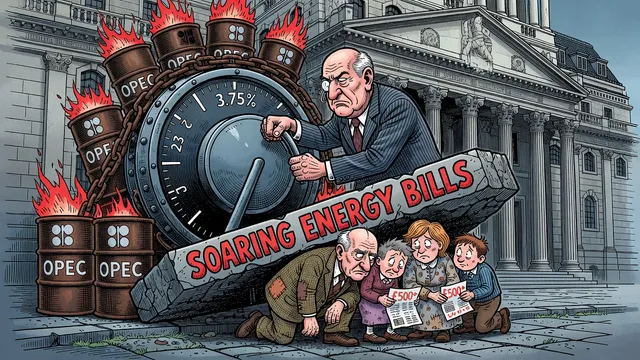
Oil Prices Lock UK Borrowing Costs in Place
External oil shocks continue to dictate UK monetary policy while structural energy dependence remains unaddressed.
Facts first. Parties second.
11 articles
Bank of England
External oil shocks continue to dictate UK monetary policy while structural energy dependence remains unaddressed.
mortgages
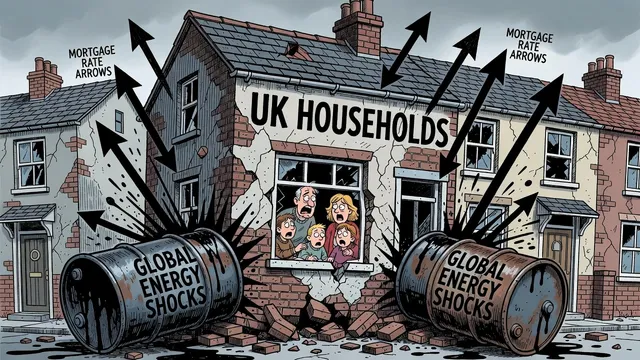
UK borrowing costs climbed back to mid-June levels after oil spiked above 100 dollars, exposing household exposure to imported energy volatility.
fuel prices
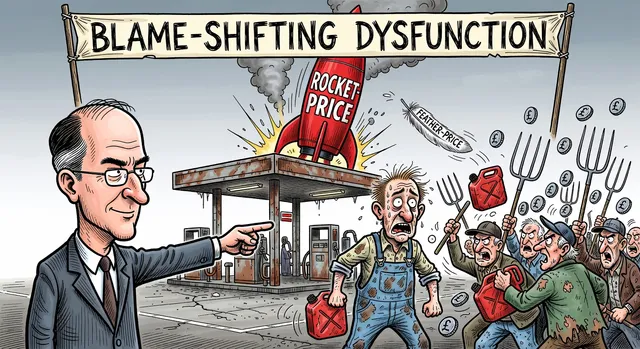
Ministers' profiteering accusations spark retailer backlash and staff abuse amid oil surges, while net zero policies reject new North Sea output to ease bills. Households pay the price of unyielding ideology.
brain drain
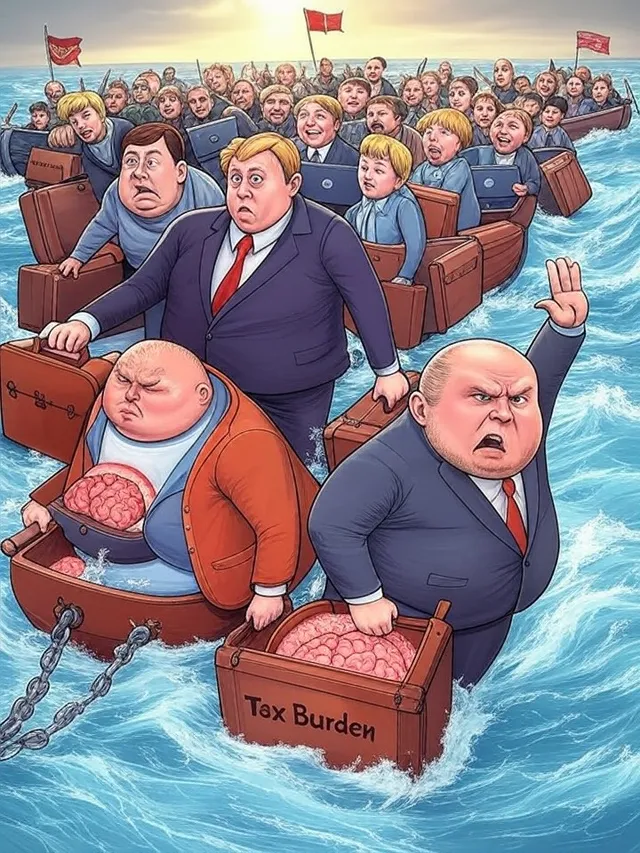
195,000 under-35s emigrated in a year, handing trained talent to Japan, Dubai, and Bali gratis. High costs, taxes, and cultural resentment drive the exodus amid government growth claims.
student isolation
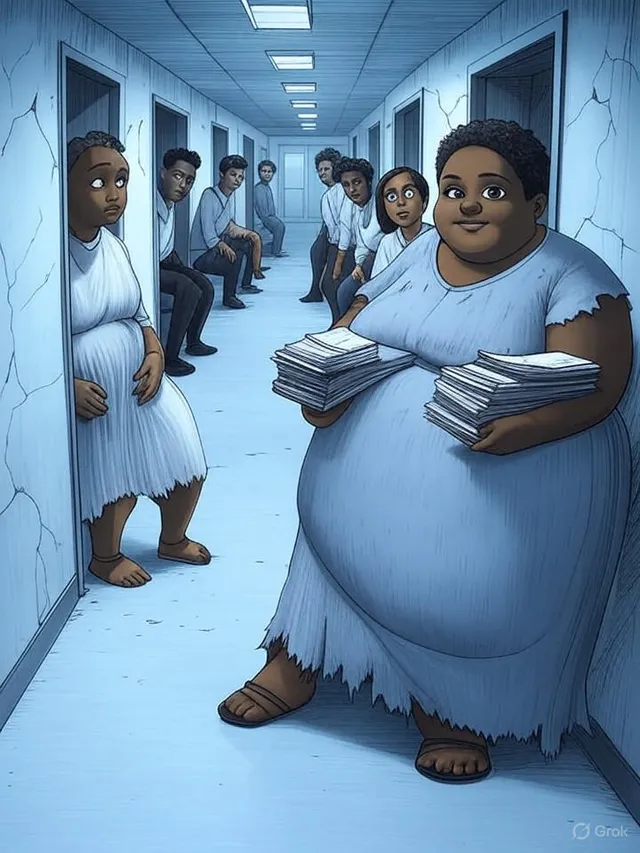
70% of UK university hall students feel isolated, blaming designs, rents, and phones. Expansion across governments delivered profit-driven silos, not communities, fraying youth bonds and trust. (142 chars)
energy policy
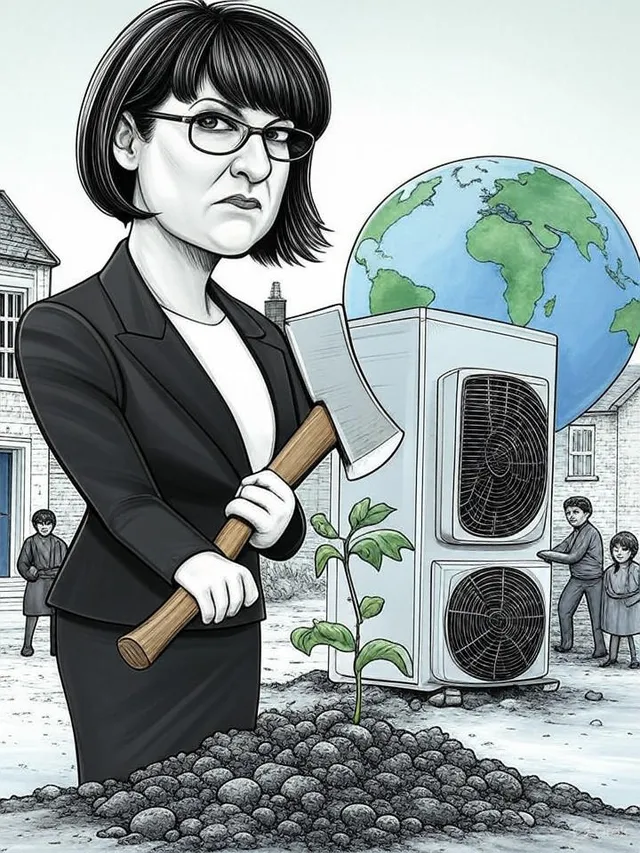
Rachel Reeves's budget restricts eco-subsidies to the poor, delivering half the promised energy bill cuts while stalling the UK's shift from gas boilers. This retreat highlights recurring trade-offs between voter appeasement and long-term sustainability.
EV tax
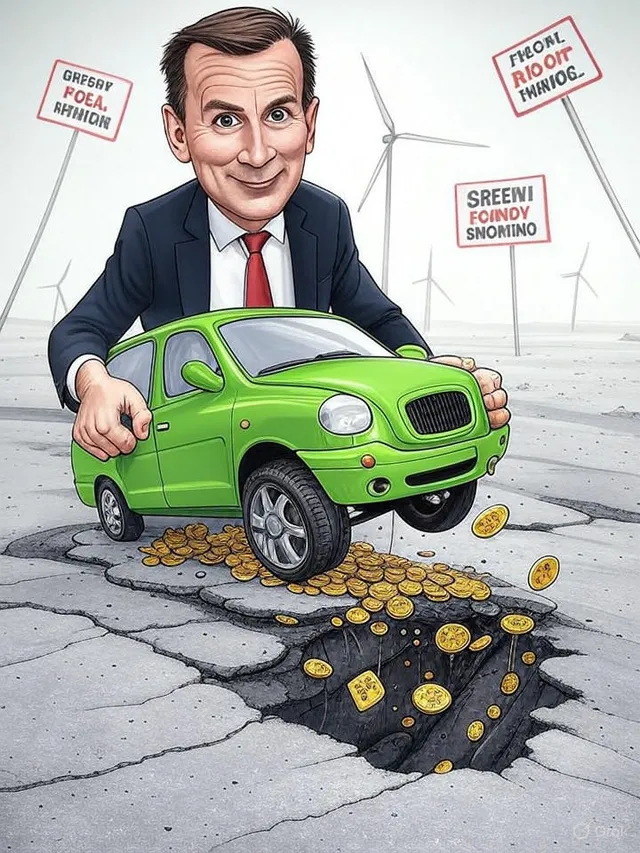
A proposed pay-per-mile tax on electric vehicles exposes policy contradictions, as fiscal pressures undermine the UK's green transition and burden drivers with new costs. Industry warnings highlight risks to adoption targets amid infrastructure gaps.
Water Industry
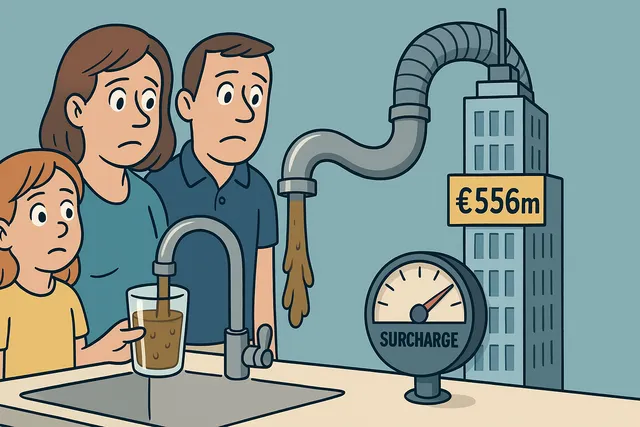
Five English water companies have successfully argued for higher bills to cover infrastructure failures they were supposed to maintain. The Competition and Markets Authority approved an additional £556 million in charges, on top of already planned 36% increases over five years. This comes as serious pollution incidents by water firms jumped 60% in a single year, highlighting a troubling pattern of privatized monopolies profiting from public goods while failing to deliver essential services.
UK Economy
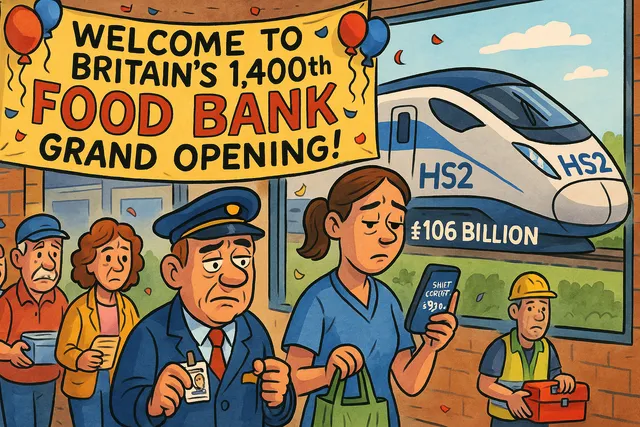
Seven months after Labour promised to end mass food bank dependency, 14 million Britons—one in six households—are now food insecure. With working families increasingly reliant on charity, the government's failure to tackle the root causes of poverty is driving systemic decline and social unrest.
Energy Crisis
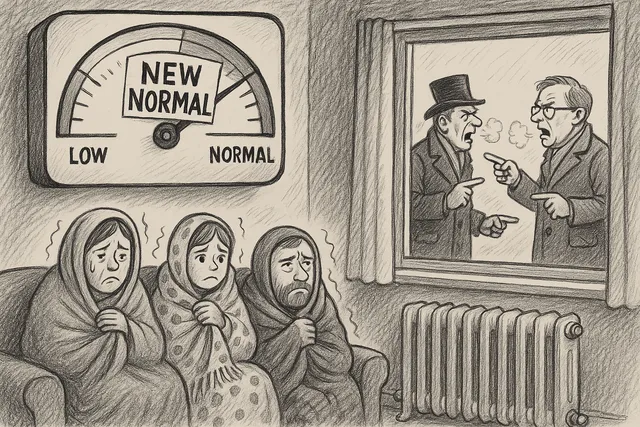
British households will pay £1,755 for energy from October - another increase sold as modest while families sink deeper into debt. The 2% rise announced by Ofgem marks the institutionalization of what was once called a "crisis" but is now simply the new normal for a country that cannot deliver basic affordable energy to its citizens.
Taxation
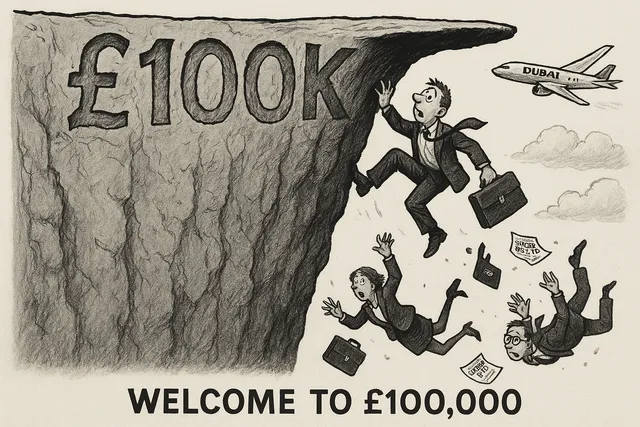
The mathematics of modern Britain reveal a peculiar achievement: we've constructed a tax system where earning £99,999 leaves you better off than earning £149,000. This isn't a quirk or an oversight. It's the logical endpoint of a state apparatus that views productive citizens primarily as revenue sources to be squeezed, rather than assets to be cultivated.